
Tofu blanching is mainly used to remove bean odor, enhance taste, and reduce anti nutritional substances. Tofu may have residual bean odor substances during the production process. Blanching can effectively dissolve and remove these components, while making the tofu texture firmer and reducing the probability of breakage during cooking. Raw tofu contains anti nutrients such as trypsin inhibitors and phytic acid. Short blanching can reduce its activity, which helps with the absorption of protein and minerals. For tender tofu, blanching can also reduce internal moisture and prevent excessive water from affecting the taste of the dish during cooking. Some people have gastrointestinal sensitivity, and blanched tofu is easier to digest, reducing bloating and discomfort.
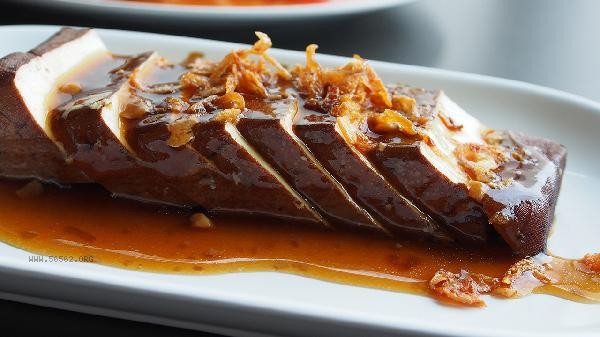
The bean odor mainly comes from the volatile components in soybeans. Soaking in hot water above 80 ℃ for 1-2 minutes can decompose most of the odor substances. Adding a small amount of salt when blanching can accelerate protein coagulation and keep tofu in its shape intact during subsequent stewing or frying. Due to its harder texture, the blanching time for northern tofu can be shortened to 30 seconds, while for lactone tofu, it is recommended to quickly blanch it in slightly boiling water for 10 seconds. It should be noted that excessive blanching can lead to the loss of nutrients in tofu, especially water-soluble B vitamins. It is recommended to control the time within 2 minutes. The brine tofu made by traditional craftsmanship can reduce the bitterness of the brine after blanching.
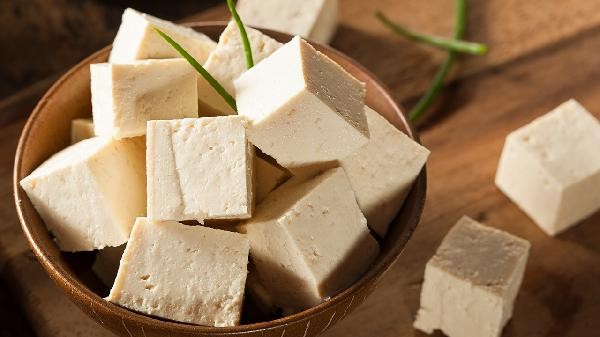
In special circumstances, blanching is not necessary. For example, when making cold tofu, freshly made silk tofu can be consumed directly, retaining more soy fragrance. Fermented bean curd products such as Stinky tofu and raw bean curd do not need additional blanching water because they have decomposed anti nutritional factors through microbial transformation. Boxed tender tofu sterilized with ultra-high temperature can be directly cooked after opening, but if used for soup, it is recommended to blanch to avoid cloudy soup. People who are not sensitive to the bean smell or pursue the original flavor of tofu can skip the blanching step and cook directly. Tofu, as a high-quality source of plant protein, is recommended to limit its daily intake to 100-150 grams, and pairing it with meat or grains can improve protein utilization. People with weak gastrointestinal function should choose tofu that has been blanched for better digestion and absorption effects. To preserve unfinished tofu, it is necessary to soak it in refrigerated cold boiled water, and changing the water daily can extend the shelf life. When choosing tofu, pay attention to the texture and aroma. Tofu with a sticky or sour surface may have gone bad. The nutritional differences among different tofu varieties are relatively small, but the calcium content of brine tofu is relatively high, making it suitable for people who need calcium supplementation to consume.








Comments (0)
Leave a Comment
No comments yet
Be the first to share your thoughts!