
The lack of milky white color in the flower glue chicken soup may be related to insufficient boiling time, improper ingredient ratio, or poor control of heat. There are mainly key factors such as too short boiling time, improper pre-treatment of carrageenan, imbalanced oil ratio, insufficient heat to emulsify requirements, and impact on water quality hardness.
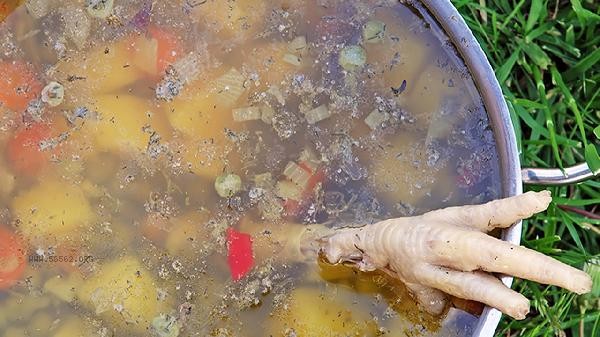
1. The boiling time is too short.
The conversion of collagen into gelatin requires continuous boiling for more than 3 hours. If the heat is interrupted halfway or the time is insufficient, the protein in the soup cannot be fully hydrolyzed. It is recommended to use a sealed clay pot for boiling to avoid frequent lid opening and heat loss. When old hens are paired with carrageenan, it takes up to 4 hours to reach the desired state.
2. Improper pre-treatment of flower gum
Insufficient soaking of flower gum makes it difficult to release the gum. Dry products need to be soaked in ice water for more than 12 hours, during which the water should be changed 2-3 times to remove the fishy smell. After soaking, it is recommended to blanch with ginger slices to break the surface hydrophobic film and help dissolve the gum. Poor quality flower gum has insufficient gum content. It is recommended to choose yellow flower gum or cod gum with a thickness exceeding 3 millimeters.
III. Imbalance of Oil Proportion
Emulsification of chicken soup requires an appropriate amount of chicken skin fat to participate, and fully peeled chicken meat can lead to insufficient oil. Suggest keeping 50% of the chicken skin or adding chicken feet to increase natural gelatin. But when the oil content exceeds 3% of the soup body, it will inhibit emulsification. You can first stir fry the chicken rack to remove the oil and filter out the excess fat.
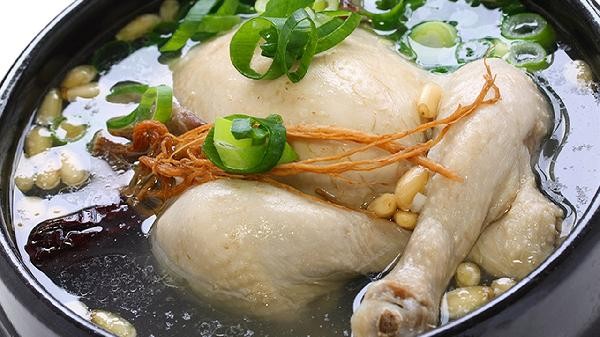
IV. The temperature does not meet the emulsification requirements
The fat particles can be broken into droplets only when the Noodles in soup are kept in a violent rolling state, and the power of the induction cooker needs to be kept above 1800 watts. It is recommended to use medium to high heat for traditional gas stoves, and it is best to observe continuous chrysanthemum shaped bubbles rising in the center of the soup. Using a cast iron pot can better store heat and avoid temperature fluctuations affecting the emulsification effect.
V. Impact of Water Quality Hardness
High calcium and magnesium ions can combine with proteins to produce precipitation. In northern regions, it is recommended to use purified water to boil soup. If there are white suspended solids in the soup, it may be due to mineral induced coagulation. You can add a small amount of white vinegar to soften the water quality, or boil it and let it stand. Take the top clear soup and heat it again.
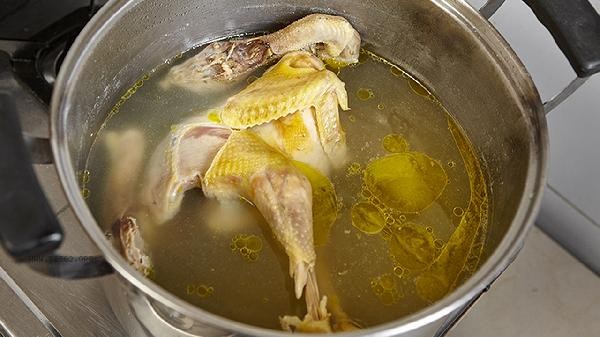
If you want to get the ideal flower gum chicken soup, it is recommended to choose a chicken that is over 3 years old and pair it with aged yellow flower gum. The ratio of chicken to water should be controlled at around 1:5. During the boiling process, maintain a continuous boiling state and use a sealed clay pot or enamel pot to stew. Sprinkle a little white pepper powder before drinking to enhance freshness, but avoid adding dark toned flavors such as soy sauce. People with weak digestive system should filter out surface floating oil before drinking, and consume no more than 3 times a week to avoid excessive purine intake. The remaining soup base will solidify into a frozen state after refrigeration, which is a normal gelatinous solidification phenomenon. Heating can restore the liquid state.








Comments (0)
Leave a Comment
No comments yet
Be the first to share your thoughts!