
Spinach astringency is mainly related to high oxalic acid content, which binds to oral mucosal proteins to produce a sense of convergence. The main reasons for the astringency of spinach include oxalic acid crystallization stimulation, variety differences, improper cooking methods, soil environmental factors, and individual sensitivity differences.
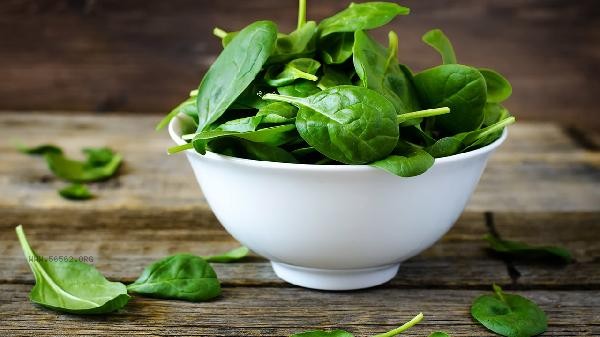
1. Oxalic acid crystallization stimulation
Spinach contains a large amount of oxalic acid, especially at high concentrations in the petioles and leaf veins. Oxalic acid can form tiny crystals that stimulate the oral mucosa and combine with calcium ions in saliva to produce a rough texture. The oxalic acid content of fresh spinach is usually higher than that of most green leafy vegetables. This natural defense mechanism can prevent pests but can lead to astringency.
2. Variety Differences
There are significant differences in oxalic acid content among different spinach varieties. Round leaf varieties usually have a lighter astringency than pointed leaf varieties, and young spinach harvested in spring has lower oxalic acid content than old spinach harvested in autumn. Some hybrid varieties have reduced their oxalic acid content through breeding techniques, but traditional varieties still maintain high astringency characteristics.
3. Improper cooking method
Direct cold mixing or short-term blanching cannot fully dissolve oxalic acid. When the water temperature does not reach above 80 degrees, oxalic acid is difficult to effectively precipitate into the water. Soaking in cold water can actually promote the leakage of oxalic acid into the extracellular space, increasing the oral irritation when consumed.
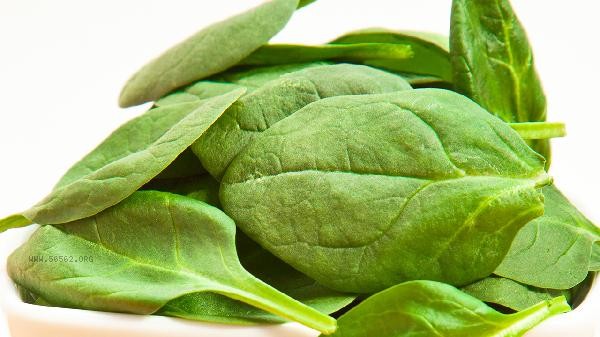
4. Soil environmental factors
Excessive nitrogen fertilizer in planting soil can promote spinach to synthesize more oxalic acid. Spinach grown under drought conditions accumulates higher concentrations of oxalic acid to preserve water. The use of sulfur-containing fertilizers may also enhance the stimulating taste of spinach.
5. Individual Sensitivity Differences
Some populations have oral mucosa that is more sensitive to plant acids, and children and the elderly are more likely to feel astringent due to thinner mucosa. Lack of vitamin B can reduce mucosal repair ability and prolong the duration of astringency. Patients with oral inflammation may experience increased discomfort when consuming.
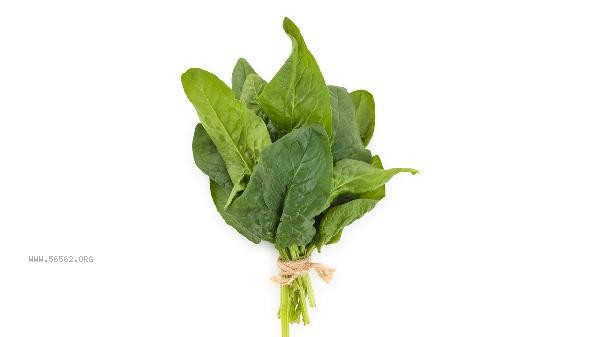
To reduce the astringency of spinach, it is recommended to blanch it in boiling water for more than 1 minute to dissolve most of the oxalic acid. After blanching, immediately supercool it to maintain its color. Paired with calcium rich tofu or sesame paste, oxalic acid can preferentially bind with calcium in the food. Individuals with gastrointestinal sensitivity should limit their single consumption to no more than 200 grams and avoid consuming on an empty stomach. Regularly rotate different varieties of spinach, and choose spring spinach with tender leaves for better taste. Pay attention to the body's reaction after consumption. If there is obvious oral discomfort, temporarily rinse your mouth with milk to relieve it.








Comments (0)
Leave a Comment
No comments yet
Be the first to share your thoughts!