
The spiciness of radish mainly comes from the reaction between its glucosinolates and glucosinolates, which react with glucosinolates to produce isothiocyanate compounds. This type of substance has a stimulating odor and spicy taste, which is the natural defense mechanism of radish. It is mainly influenced by factors such as variety differences, growth environment, storage conditions, edible parts, and processing methods.
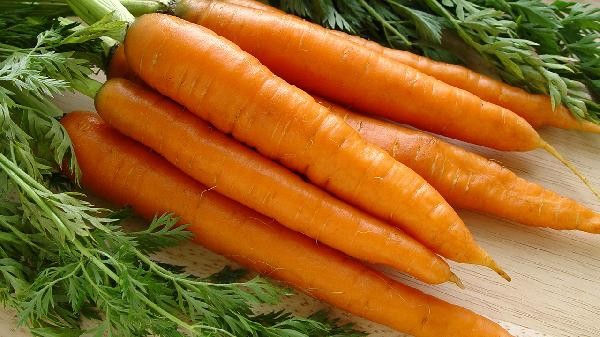
1. Variety Differences
There are significant differences in the degree of spiciness of different varieties of radish. White radish and green radish have a mild spiciness and are suitable for raw or cold dishes; Red skinned radish has a moderate spiciness and is commonly used for stewing; Wild radishes and some local varieties such as Xinlimai radishes have a stronger spicy taste. The difference in spiciness between varieties is directly related to the content of glucosinolates. In the breeding process, varieties with moderate spiciness will be selected for cultivation.
2. Growing environment
Carrots grown in arid, high-temperature, or poor soil will have a more prominent spicy taste. This is because adverse conditions can stimulate plants to synthesize more defensive substances. Adequate water supply and fertile soil can reduce the intensity of spiciness. Carrots produced in areas with large temperature differences between day and night are often spicy with a hint of sweetness, such as the typical representative of Weifang radish in Shandong.
3. Storage Conditions
Freshly harvested radishes have a mild spicy taste. As storage time increases, cell damage can cause enzymes to come into contact with substrates, resulting in the continuous production of spicy substances. Low temperature refrigeration can delay this process. Carrots stored in winter cellars may experience an increase in spiciness, which is related to the natural decay of cells and the release of enzyme substances.
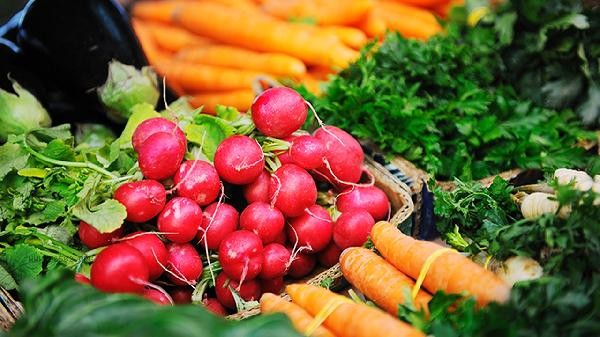
4. Edible parts
The distribution of spiciness in different parts of radish is uneven, with the strongest spiciness in the epidermis and near the petiole due to the high content of defense substances in these parts. The central area has the lightest spiciness and is suitable for eating raw directly. Vertical incision reveals a radial distribution of spicy substances, which is closely related to the arrangement of vascular bundles.
5. Processing Method
High temperature cooking will decompose some spicy substances, making radish sweet and refreshing. Salt infiltration during the pickling process can inhibit enzyme activity and reduce the intensity of the spicy taste. When traditional sun dried radish is used, oxidation reactions can transform spicy ingredients, forming a special flavor. Breaking the wall to extract juice will fully release spicy substances, it is recommended to mix it with honey.
For daily consumption, you can choose varieties with moderate spiciness, and soak them in salt water after peeling to reduce irritation. People with gastrointestinal sensitivity should control their food intake and make it easier to digest after cooking. Carrots are rich in vitamin C and dietary fiber. When stewed with lamb in winter, they can neutralize coldness and remove fishy smell, enhancing freshness. Be careful not to eat fruits with high vitamin C degrading enzymes to avoid nutrient loss. Keep the skin intact during storage and store in a cool place to maintain the best flavor.








Comments (0)
Leave a Comment
No comments yet
Be the first to share your thoughts!