
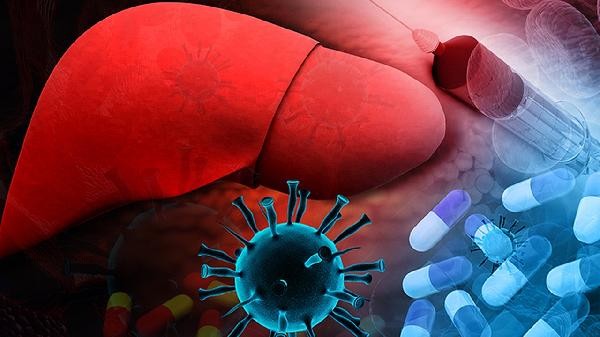
The low price of pig liver is mainly related to the large supply, low processing costs, changes in consumption habits, and cognitive biases in nutritional value. Pig liver, as a slaughter byproduct, has stable production and simple processing procedures, and the reduced intake of animal organs in modern diets has led to a decrease in demand.
1. Large Supply
Pig liver is one of the main by-products in the pig slaughtering process, and each pig can produce a complete liver. Large scale breeding maintains a high level of pig output, leading to an increase in liver supply. Slaughterhouse companies usually treat liver as an accessory product without additional breeding costs, and the basic pricing is relatively low. Some production areas even experience oversupply, further lowering market prices.
2. Low processing cost
Pig liver can be marketed after slaughter with simple cleaning and cold chain processing, without the need for complex processing procedures. Compared to meat products that require segmentation, acidification, and maturation, the cost of storing and transporting pig liver is lower. Traditional vegetable markets often wholesale and sell pork liver together with other wastewater, and the cost of circulation losses has been shared among other products, resulting in a lower terminal selling price.
3. Decreased consumer demand
The proportion of animal visceral consumption in modern dietary structure has significantly decreased, especially among young people who are more inclined to choose lean meat and lean meat. Some consumers have concerns about the possible residual metabolic waste in the liver, and the use of pork liver in dishes in the catering industry is gradually decreasing. The shrinking demand side has led to pig liver being in a buyer's market for a long time, making it difficult to increase prices.
4. Nutritional Value Cognitive Bias
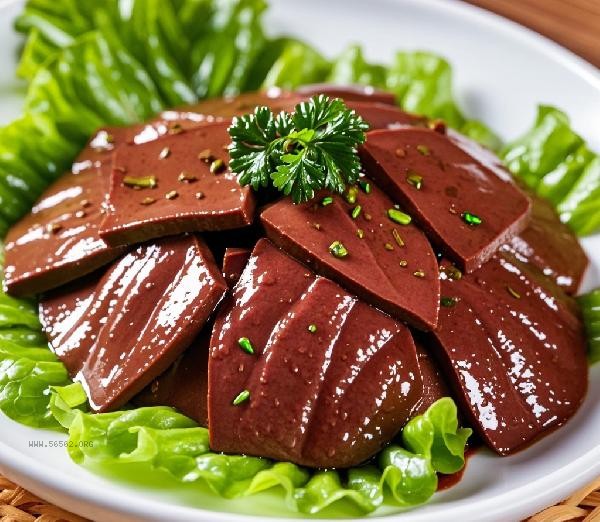
Although pig liver is rich in vitamin A, iron, and high-quality protein, it is generally believed to have a high cholesterol content. The one sidedness of this nutritional cognition affects consumer willingness, and some health conscious groups actively reduce their intake. In fact, moderate consumption of pig liver can effectively prevent iron deficiency anemia, and its protein biological value is also higher than that of ordinary pork.
5. Shelf life limit
Fresh pig liver usually has a shelf life of no more than three days, and freezing can affect its taste and texture. Merchants often adopt low price promotion strategies to accelerate turnover, especially in the summer when they need to clear goods quickly. This perishable characteristic makes it difficult for pig liver to adjust prices through inventory like frozen meat, and can only reduce losses by lowering prices.
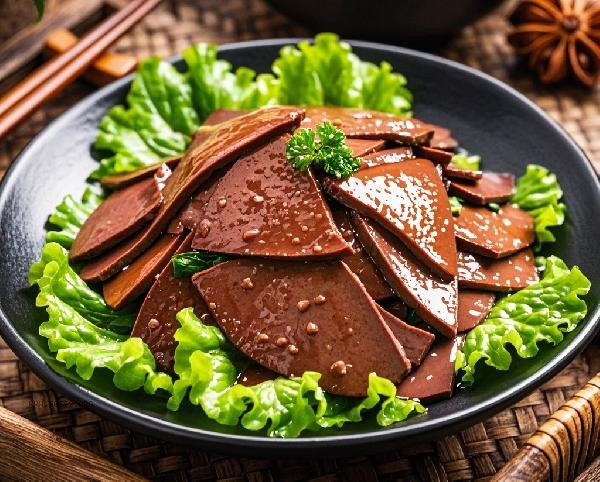
It is recommended that consumers pay attention to fresh pork liver with a uniform reddish brown color and a moist and glossy surface when purchasing. Soak in water for half an hour before cooking to remove some blood, and stir fry quickly over high heat to maintain a tender and smooth taste. Eating once or twice a week, with a limit of less than 100 grams each time, can provide rich nutrients and avoid excessive cholesterol intake. Anemic patients, pregnant women, and children in their growth and development stage can increase their consumption frequency appropriately.








Comments (0)
Leave a Comment
No comments yet
Be the first to share your thoughts!