
The difficulty in losing weight in the lower body and the ease of losing weight in the upper body may be related to differences in fat distribution, hormone levels, and metabolic characteristics. The main influencing factors include genetic factors, estrogen levels, differences in local blood circulation, single exercise patterns, and uneven distribution of basal metabolic rate.

1. Genetic factors
The location of fat accumulation is significantly influenced by genes, and women often have a pear shaped body shape, with fat preferentially stored in the buttocks and thighs. This distribution pattern is related to the reproductive needs of primitive societies and belongs to physiological protection mechanisms. Improvement requires targeted lower limb resistance training, such as squats, lunges, and other movements, combined with aerobic exercise to help break down fat.
2. Estrogen levels
Estrogen activates alpha receptors in lower limb adipocytes, inhibiting fat breakdown. Fluctuations in menstrual cycles or the use of contraceptive pills may exacerbate this phenomenon. It is recommended to improve circulation by regulating the intake of plant estrogens such as soy products and flaxseed, combined with exercises such as swimming and cycling that have less impact on the lower limbs.
3. Differences in blood circulation
Lower limb venous reflux needs to overcome gravity, and the circulation efficiency is about 40% lower than that of the trunk, which affects fat metabolism efficiency. After prolonged sitting, the lower limbs are prone to edema, which can be promoted by using elastic socks, lifting the legs upside down to facilitate reflux, and alternating cold and hot water showers to stimulate blood vessel contraction and expansion, thereby increasing local metabolic rate.
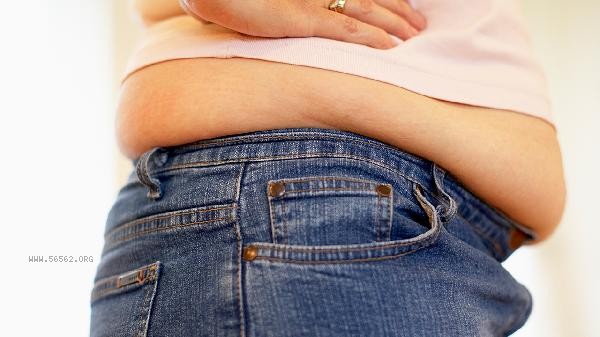
4. Exercise compensation mode
Daily activities rely more on upper limb exertion, such as carrying bags, typing, etc., resulting in higher involvement of trunk muscles. Suggest adjusting the exercise structure and using stair climbing instead of isolated training such as elevators and sitting posture to lift heels. Ensure that there are at least 3 weight training sessions per week for the gluteal and leg muscles, with each session lasting no less than 30 minutes.
5. Basic metabolic allocation
Maintaining body temperature in the core area of the human body requires more energy consumption, and the metabolic rate of the trunk is 15-20% higher than that of the lower limbs in a quiet state. Increasing protein intake to 1.2-1.5 grams per kilogram of body weight, combined with intermittent fasting, can activate the AMPK metabolic pathway and promote uniform fat consumption.
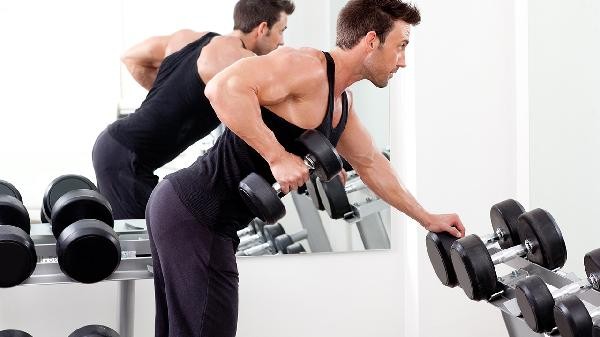
It is recommended to maintain a daily calorie deficit of 500 calories while adopting a high protein diet combined with complex vitamin supplements. In terms of exercise, resistance training and high-intensity interval training should be combined, with at least 3 strength exercises for the lower limbs per week, each consisting of 4-6 sets of multi joint movements. Measure circumference instead of weighing, and record monthly changes in thigh and hip circumference. When persistent edema or skin orange peel like changes occur, thyroid function or lymphatic circulation disorders need to be investigated.








Comments (0)
Leave a Comment
No comments yet
Be the first to share your thoughts!