
The sweetness of Hami melon mainly comes from its high natural sugar content and unique variety characteristics, which are mainly influenced by factors such as variety differences, maturity, planting environment, cultivation techniques, and storage conditions.
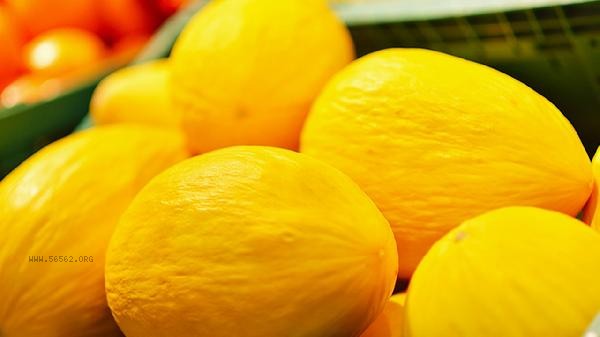
1. Variety Differences
The sweetness of Hami melon is closely related to the variety, and the sugar accumulation ability of different varieties varies greatly. Traditional Hami melon varieties such as Xizhou honey and Hongxincui have been selected for a long time and have high sugar content. The new varieties cultivated by modern hybridization technology pay more attention to improving sweetness, and some varieties can reach a sugar content of over 15 degrees when they mature. The genetic characteristics of the variety determine the proportion of sucrose, fructose, and glucose in the fruit, which directly affects the taste and sweetness.
2. Maturity
Maturity is a key factor affecting sweetness, and fully matured Hami melon starch will be completely converted into sugar. Fruits harvested too early have insufficient sugar accumulation, while fruits harvested at the right time have high invertase activity, which can hydrolyze starch into soluble sugars. The flesh of mature cantaloupe will soften from near the skin, and circular cracks will appear at the fruit stalk, at which point the sugar concentration reaches its peak.
3. Planting environment
Xinjiang and other production areas have large temperature differences between day and night and long sunshine hours, which are conducive to sugar accumulation. During the day, photosynthesis is vigorous, producing a large amount of carbohydrates; Low temperature at night suppresses respiratory consumption, allowing sugar to be preserved. Sandy soil has good drainage properties, which can prevent excessive water from diluting sugar. The climate conditions of drought and low rainfall will encourage plants to concentrate and transport nutrients to their fruits.
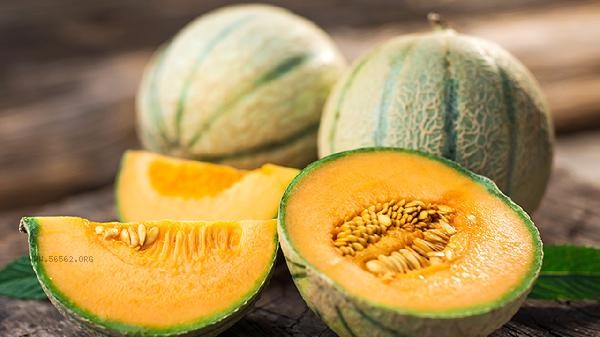
4. Cultivation Techniques
Scientific cultivation management can significantly improve sweetness, including measures such as water control, fruit thinning, and topdressing. Proper water control during fruit enlargement can increase sugar concentration, and retaining 1-2 melons per plant can concentrate nutrient supply. Increasing the application of potassium fertilizer helps with sugar transportation and accumulation, while improving soil with organic fertilizer can enhance fruit flavor. Some production areas adopt hanging vine cultivation to ensure that the fruits receive even light and have a more consistent distribution of sugar content.
5. Storage Conditions
During post harvest storage, cantaloupe still undergoes post ripening, and starch continues to be converted into sugar. Low temperature storage can delay respiration, but too low a temperature can lead to cold damage. A well ventilated environment can prevent the accumulation of ethylene from accelerating ripening too quickly, and the optimal sweetness can be achieved after 3-5 days of proper storage. The cut fruit pulp should be refrigerated and stored to prevent sugar loss.
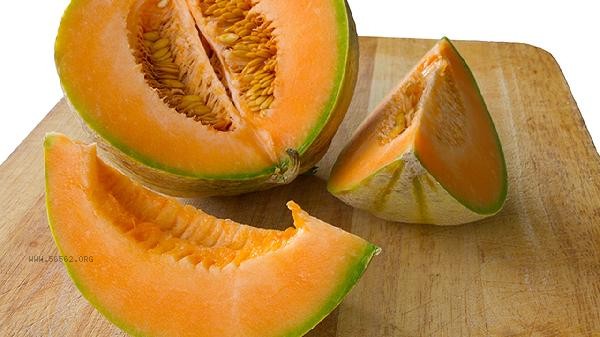
Hami melon, as a fruit with high sugar content, should be controlled for diabetes patients. When making a purchase, maturity can be determined by observing the clarity of the mesh, pressing the navel for elasticity, and smelling the intensity of the aroma. It is recommended to store in a cool and ventilated place for daily use. After cutting open, consume as soon as possible. Eating yogurt or nuts in combination can delay blood sugar rise and avoid consuming large amounts on an empty stomach. There is a significant difference in sweetness among different varieties of cantaloupe, and one can choose crispy sweet or soft fruits according to personal taste preferences.








Comments (0)
Leave a Comment
No comments yet
Be the first to share your thoughts!