
Long term non washing of tea stains may affect the hygiene of tea utensils and the taste of drinking tea, but tea stains themselves do not pose a significant threat to human health. Tea scale is mainly formed by the oxidation and deposition of tea polyphenols, which include minerals, organic acids, etc. Ingesting in small amounts does not pose any health risks. The degree of accumulation of tea stains is related to factors such as the type of tea leaves, brewing water quality, and tea set material. Tea leaves with high fermentation levels, such as black tea and black tea, are more likely to form tea stains due to the higher degree of oxidation of tea polyphenols. Hard water areas are more prone to scale like sedimentation when combined with tea polyphenols due to their high content of calcium and magnesium ions. Breathable tea utensils such as purple clay teapots can absorb tea stains through capillary action, and appropriate tea stains can actually enhance the flavor of tea soup.
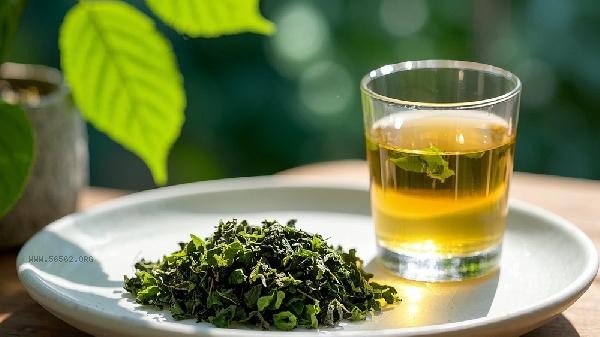
In special circumstances, attention should be paid to the hygiene of tea stains. Using inferior tea utensils may precipitate heavy metals, which pose a risk of ingestion when combined with tea stains. Moldy tea stains may breed mold and produce harmful substances such as ochratoxin. Infants, young children, and immunocompromised individuals should avoid using tea utensils with severe accumulation of dirt. Thick tea stains may alter the pH value of tea water and affect the absorption efficiency of some drugs.
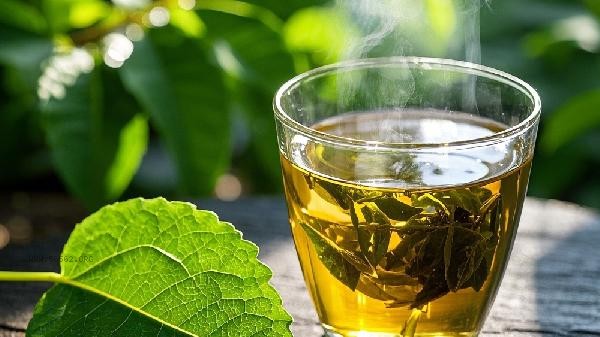
It is recommended to gently scrub tea stains with salt or baking soda regularly to avoid scratching tea utensils with steel wire balls. Purple clay teapots can retain a thin layer of tea stains, but it is necessary to ensure dryness and mold prevention. Rinsing tea utensils in a timely manner after drinking tea can reduce the deposition of stains. Choosing smooth materials such as glass and white porcelain makes tea utensils easier to clean. Pay attention to observing the color changes of tea stains. If abnormal mold spots appear, they should be thoroughly cleaned and disinfected immediately to maintain the hygiene and safety of tea drinking utensils.








Comments (0)
Leave a Comment
No comments yet
Be the first to share your thoughts!