
The softness of red beans may be related to factors such as bean quality, soaking time, water acidity and alkalinity, cooking methods, and storage conditions.
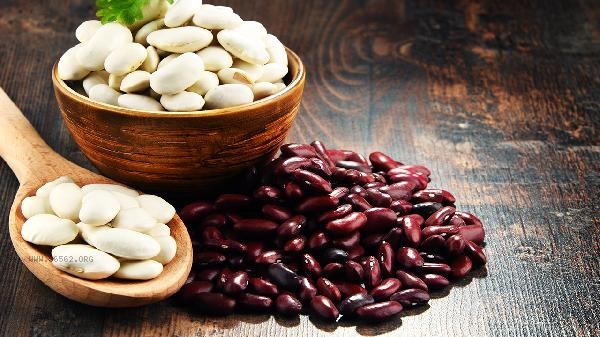
1. Bean Quality
The variety and freshness of red beans directly affect their softening speed. Due to long-term storage, the cell structure of aged red beans ages and the outer layer of the seed coat thickens, making it difficult to soften even after prolonged soaking and cooking. When purchasing, choose new beans with plump particles and bright colors, and avoid using red beans that have been stored for more than a year. 2. insufficient soaking time is a common reason why red beans are difficult to cook and become soft. Red bean skin contains a large amount of phytic acid and fiber, and needs to be soaked in cold water for more than 6 hours to fully absorb water and expand the cells. In case of emergency, soak in warm water for 2 hours, but avoid direct immersion in hot water. High temperature will cause denaturation of epidermal protein and formation of dura.
3. Water pH
Hard or alkaline water can combine with pectin in red beans to form insoluble substances. When the water quality in northern regions is relatively hard, a small amount of white vinegar or lemon juice can be added to adjust the pH value to weak acidity. Avoid using tap water with high chlorine content for direct cooking. After boiling, remove the lid and let it air dry for a moment to evaporate some chlorine gas.
4. Cooking method
Boiling red beans directly on high heat can cause them to be cooked on the outside but hard on the inside. The correct approach is to put cold water into a pot, boil it, then reduce the heat and simmer for 1 hour, while keeping the water surface slightly boiling. Using a clay pot or pressure cooker can better maintain a constant temperature, while traditional iron pots are prone to local hardening due to uneven temperature. Adding water midway requires hot water, as cold water can cause the beans to shrink.
5. Storage conditions
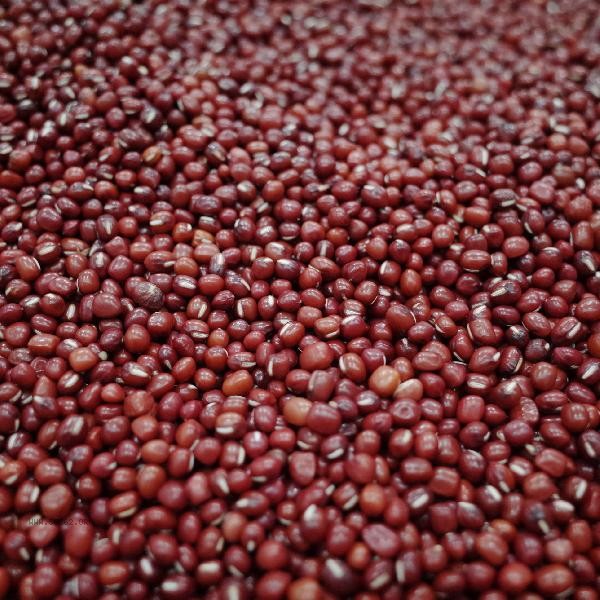
Red bean cells that have been damp or frozen are prone to structural damage. When storing, it should be sealed and placed in a cool and dry place. Humidity exceeding 70% can cause the beans to absorb moisture and become hard. Frozen red beans need to be thoroughly thawed before cooking. The ice crystals formed by rapid freezing can puncture the cell wall, causing starch loss and affecting the softening effect. As a high protein miscellaneous grain, it is recommended to plan the amount of red beans in advance for soaking, and pair them with Job's tears or lotus seeds to enhance their nutritional value. People with indigestion can press softened red beans into bean paste to avoid overconsumption at once. Store dry beans in ceramic or glass containers and regularly check for insect and mold prevention. Individuals with special constitutions should confirm that there are no allergic reactions before consumption, and those with abnormal kidney function should control their intake.








Comments (0)
Leave a Comment
No comments yet
Be the first to share your thoughts!