
The key to making leftover dumplings non stick to the pan is to control the oil temperature, use appropriate cookware, and master the flipping technique. There are mainly methods such as hot pot and cold oil, choosing non stick pot, starch water assistance, slow frying over medium to low heat, and timely flipping.
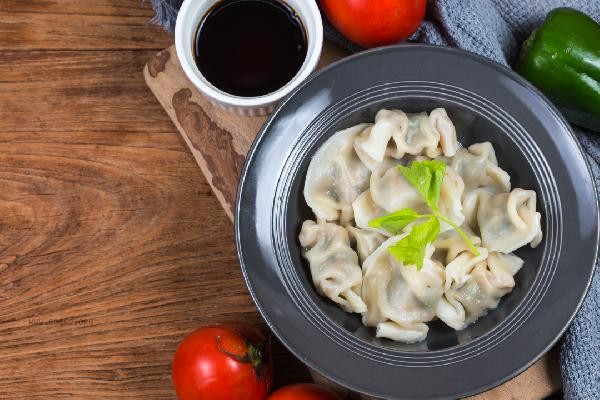
1. Hot Pot and Cold Oil
Preheat an empty pot over medium heat until it drips into beads. After pouring in cooking oil, immediately add the dumplings. A hot pot can quickly form a protective film on the oil, while cold oil dumplings can avoid starch coking and adhesion caused by high temperatures. Suggest using high smoke point peanut oil or sunflower seed oil, shake the pot evenly to cover the entire bottom with oil.
2. Choosing a non stick pan
Ceramic or PTFE coating on a flat bottomed non stick pan can effectively reduce food adhesion. Before frying, ensure that the pot is dry and free of moisture residue. Non stick pots with damaged coatings should be replaced in a timely manner. Cast iron pots need to be fully preheated and evenly coated with oil, utilizing their good heat storage properties to achieve physical non stick effects.
3. Starch water assisted
After the dumplings are put into the pot, pour starch water along the edge of the pot, and the amount of water should not exceed one-third of the dumplings. Starch gelatinizes when exposed to heat to form a crispy, ice like texture, which not only prevents sticking but also enhances the taste. The ratio of corn starch to water is about 1:10, and pay attention to observing the evaporation of water to avoid burning.
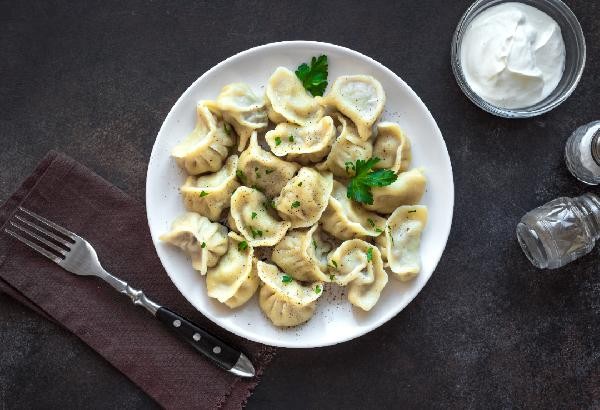
4. Fry slowly over medium to low heat
Keep the heat in the medium to low range, allowing the heat to slowly penetrate into the dumpling filling. Excessive firepower can cause the outer skin to become blackened and the inside to become cold, and can also easily cause oil spills. It is recommended to adjust the power of the electric ceramic stove to 800W and keep the flame of the gas stove within the range of the pot bottom.
5. Flip it in time
When a golden crispy shell forms at the bottom of the dumpling, use a wooden spatula to gently loosen it from the edge. When flipping, the action should be fast, with a single flipping angle not exceeding 90 degrees. Frozen dumplings require an extended frying time, during which they can be covered and stewed for 1 minute to accelerate the heating of the filling. During the process of frying dumplings, keep the kitchen ventilated to avoid the accumulation of oil fumes. After use, the cookware should be cleaned with a soft cloth after cooling down, and avoid scratching the coating with steel wire balls. It can be used with rice vinegar and chili oil to relieve boredom. For those with weak gastrointestinal function, it is recommended to use it with Seaweed soup. The remaining fried dumplings should be refrigerated and stored for no more than 24 hours. When reheating, they can be baked in an oven at 180 degrees for 5 minutes to restore their crispy texture.








Comments (0)
Leave a Comment
No comments yet
Be the first to share your thoughts!