
The fact that apples do not rot for several months is mainly related to their skin structure, natural wax layer, acidic environment, low water activity, and modern preservation techniques.

1. Epidermal Structure
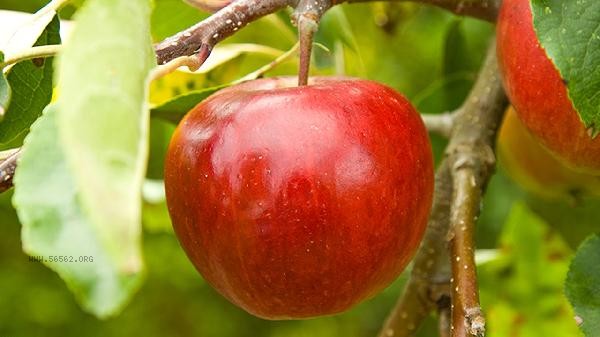
The epidermis of an apple is composed of tightly arranged cells, forming a natural physical barrier. The epidermal cell wall contains substances such as lignin and keratin, which can effectively block microbial invasion. The stomata on the surface of mature apples gradually close, reducing oxygen exchange and slowing down the rate of oxidation reaction. This structural characteristic makes apples more resistant to storage than berry fruits.
2. Natural Wax Layer
The surface of apples naturally secretes a thin layer of fruit wax, mainly composed of octacosanol and oleic acid. This layer of bio wax can reduce water evaporation and maintain stable humidity inside the fruit. Commercial apples usually undergo a cleaning process, but later they are manually coated with edible grade fruit wax to further enhance their preservation effect. The wax layer can also block the attachment of some fungal spores.
3. Acidic environment
The pH value of apple flesh is maintained between 3-4, which belongs to a typical acidic environment. This acidity can inhibit the growth and reproduction of most spoilage bacteria, especially the significant inhibitory effect on Erwinia, which causes soft rot disease. Apples contain malic acid and citric acid that can chelate with metal ions, reducing the occurrence of oxidative catalytic reactions.
4. Low water activity
The water in apple cells exists in the form of bound water, and the free water content is relatively low. Its water activity value is about 0.85-0.90, which is lower than the minimum threshold required for the growth of most bacteria. The gel network structure formed by sugar and pectin further reduces the water migration rate, making it difficult for microorganisms to obtain enough water for metabolic activities.
5. Preservation Technology
Modern cold chain systems and controlled atmosphere storage technology have significantly extended the shelf life of apples. Pre cooling treatment immediately after harvesting can rapidly reduce fruit respiration intensity, and preservatives such as 1-methylcyclopropene can block ethylene signaling. By controlling the oxygen concentration and carbon dioxide ratio, the modified atmosphere storage can reduce the metabolic rate of apples to one tenth of that stored at room temperature. To maintain the freshness of apples, it is recommended to store intact and undamaged fruits in a cool and ventilated place, avoiding mixing with fruits that release large amounts of ethylene. When storing at home, you can first use a slightly damp soft cloth to gently wipe the surface dust, then put it in a perforated plastic bag and refrigerate. Regularly inspect stored apples and promptly remove individuals that have started to spoil. Before consumption, rinse the surface with running water. If necessary, use a soft bristled brush to gently brush the depressions, but do not soak for a long time to avoid damaging the protective layer.








Comments (0)
Leave a Comment
No comments yet
Be the first to share your thoughts!