
Rice pests are mainly caused by improper storage environment or rice grains carrying insect eggs. They can be prevented by sealed refrigeration, Sichuan pepper deworming, garlic pest control, sun exposure insecticidal, vacuum packaging and other methods. Pest infestations are often related to humid and high-temperature environments, and require a comprehensive management approach that combines physical and chemical methods.
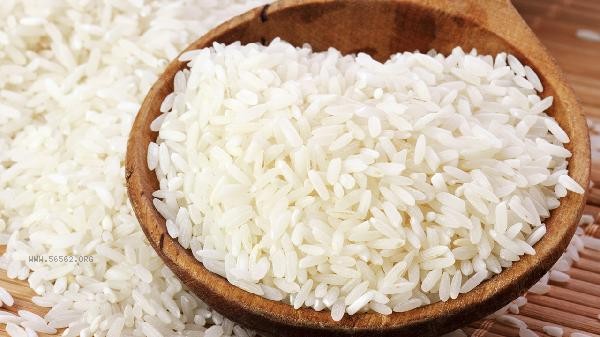
1. Sealed refrigeration
Put the rice into a food grade sealed bag or fresh-keeping box and store it in the refrigeration layer of the refrigerator. Low temperature can inhibit the hatching of insect eggs, and sealing can isolate external moths from laying eggs. It is recommended to choose a transparent container for easy observation of rice quality, and immediately reseal it after each use. This method is suitable for short-term storage of small packaged rice, and attention should be paid to avoiding frequent opening and closing that may cause condensation water to seep in.
2. Sichuan pepper deworming
Place dried Sichuan pepper wrapped in gauze in a rice bowl, with 30 grams of Sichuan pepper for every 5 kilograms of rice. The volatile compounds of Sichuan pepper can drive away pests such as rice weevils without affecting the aroma of rice. Replace the Sichuan pepper bag once a month and use it alternately with spices such as star anise and cinnamon. This method is suitable for ceramic and glass rice storage tanks, while metal containers may accelerate the oxidation failure of Sichuan peppercorns.
3. Garlic pest control
Fresh garlic, after peeling, should be scattered and buried in a pile of rice, with 2-3 cloves placed every 10 centimeters deep. Allicin has a natural antibacterial and insecticidal effect, and it is necessary to check and replace sprouted or rotten garlic cloves every week. Note that the garlic flavor may slightly penetrate the rice grains, which can be removed by washing before cooking. This method has a significant preventive effect on acarid pests.
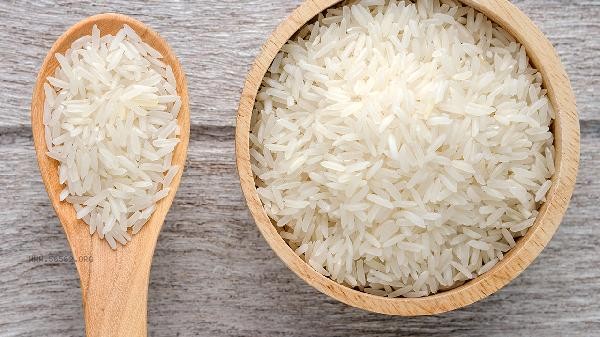
4. Exposure to sunlight for insecticidal purposes
When a small number of live insects are found, the rice should be thinly spread and exposed to sunlight for 2 hours at a temperature exceeding 50 ℃ to kill the larvae. After sun exposure, screen out the insect corpses and store them in a sealed container when the rice temperature drops to room temperature. High temperature can accelerate the oxidation of rice fat. This method is only for emergency treatment, and frequent exposure to sunlight can cause the rice to harden.
5. Vacuum packaging
Use a household vacuum machine to package rice into small bags for single use and vacuum them. The hypoxic environment can completely block the development of insect eggs, and the shelf life can be extended to more than 1 year. It is recommended to choose aluminum foil composite material packaging bags and store them in a cool place away from light. Unused rice after opening should be transferred to a sealed container for short-term storage.
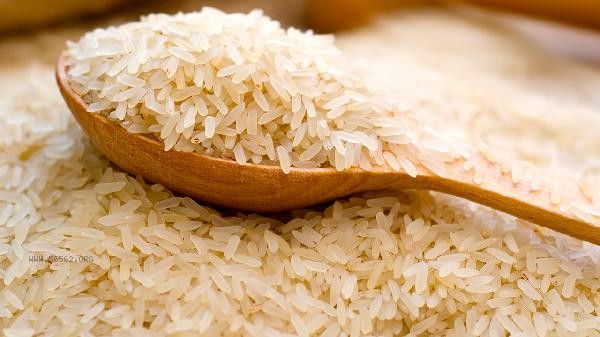
Prevention of rice pests requires controlling from the source of procurement, selecting new rice from legitimate channels in the current year, and avoiding hoarding for more than 3 months at once. Keep the relative humidity below 65% and temperature below 25 ℃ in daily storage environment, and keep away from heat sources such as kitchen stoves. Regularly inspect the corners and bottom of the rice bowl, and immediately handle any lumps or filamentous objects found. If the pest infestation has spread to the deep layers of the rice pile, it is recommended to discard the entire bag and thoroughly disinfect the container. The use of food grade diatomaceous earth insect repellent can enhance the protective effect, but attention should be paid not to directly contact rice grains. Develop a first in, first out usage habit to avoid the accumulation and deterioration of aged rice.








Comments (0)
Leave a Comment
No comments yet
Be the first to share your thoughts!