
Rice stored for two years without insects may be related to factors such as dry and sealed storage environment, low moisture content of rice grains, and insect prevention treatment. Rice pests usually need to meet the survival conditions of their eggs, and if stored properly, they can effectively prevent pest infestations.
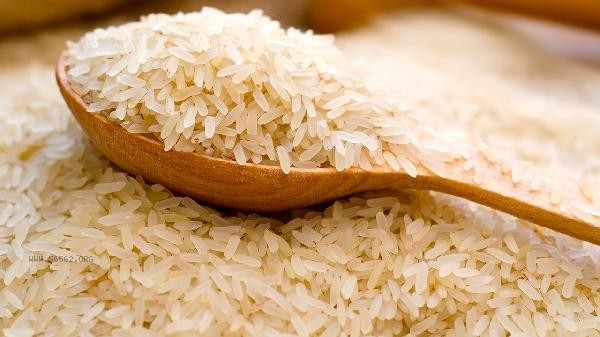
Rice undergoes high-temperature drying or polishing treatment during processing, and its moisture content is usually lower than the safety standard. This low moisture environment is not conducive to the hatching of insect eggs. Some rice is irradiated or treated with food grade insect repellents before leaving the factory, which can effectively inhibit the development of insect eggs. Vacuum packaging or nitrogen filling packaging technology can isolate oxygen and destroy the living environment of pests. Sealed containers such as ceramic jars and iron drums, when used in conjunction with desiccants, can maintain a low humidity state for a long time. In some areas, the climate is dry and the storage conditions are professional, and the constant temperature and humidity environment makes it impossible for the eggs to survive.
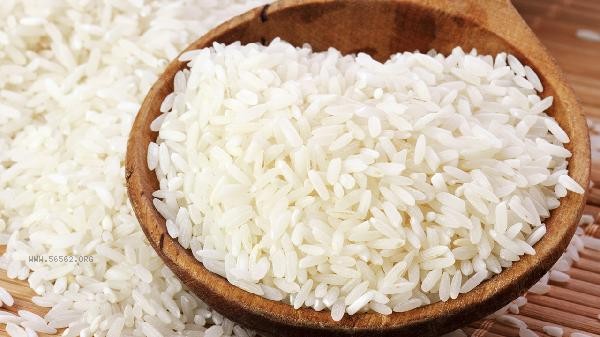
In rare cases, unopened vacuum packaging may experience minor damage, which may lead to insect infestation when slowly exposed to air. Traditional farmers' self cultivated seeds may have residual live insect eggs due to incomplete air drying, which can recover when temperature and humidity change. Organic rice that has not undergone chemical treatment and retains the germ is prone to breeding rice weevils during the rainy season. Loose rice that has come into contact with contaminated storage tools may carry hidden insect eggs. Rice stored in wooden containers for a long time may harbor insect eggs in the pores of the wood, leading to later infestation.
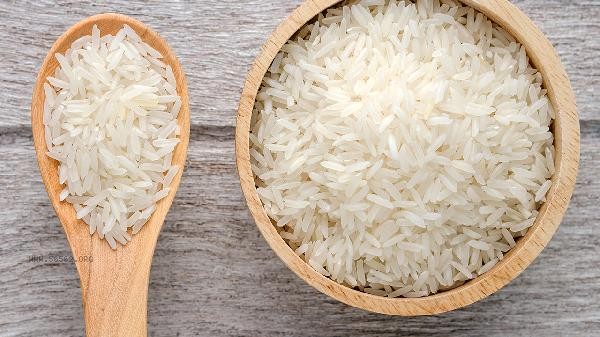
It is recommended to place the rice in a cool and dry place, preferably in small vacuum rice packages. After opening, transfer it to a sealed container in a timely manner. Can be paired with natural deworming materials such as Sichuan pepper and garlic, and regularly check the status of stored rice. If a small amount of insect infestation is found, it can be screened out after drying, and moldy rice should be discarded immediately. Reasonably control the purchase quantity and follow the first in, first out principle to reduce long-term storage risks.








Comments (0)
Leave a Comment
No comments yet
Be the first to share your thoughts!