
The fading taste of radish may be related to factors such as variety differences, planting environment, storage methods, cooking techniques, and maturity. The content of flavor compounds in different varieties of radish varies, and planting conditions such as soil fertility and light duration can also affect flavor accumulation.
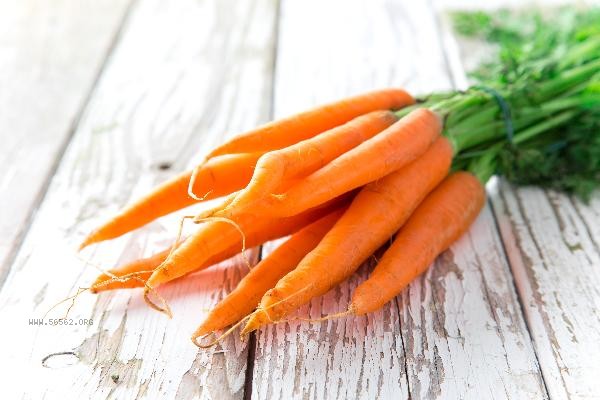
1. Variety Differences
There is a significant difference in the content of glucosinolates between fruit radish and traditional white radish, with the former having a higher sugar content and a lighter spicy taste. Small varieties such as cherry and radish have a short growth period and insufficient accumulation of flavor compounds, resulting in a taste closer to the sweetness of vegetables. Some hybrid improved varieties may reduce the biosynthesis of volatile flavor compounds in order to increase yield.
2. Planting Environment
Carrots grown in sandy soil have a more prominent spicy flavor, and excessive use of nitrogen fertilizer can cause the fleshy roots to swell too quickly and dilute the flavor. When the temperature difference between day and night is insufficient, radishes cannot effectively accumulate flavor precursors. Continuous cropping obstacles can also cause imbalances in soil trace elements, affecting the synthesis of glucosinolates.
3. Storage Method
Carrots refrigerated for more than a week may experience an increase in sweetness but a decrease in flavor due to starch hydrolysis. Freezing and storing in chunks can damage cell structure and accelerate the loss of volatile substances. Carrots stored for a long time may undergo lignification, which not only makes the taste harder, but also significantly reduces the unique mustard spiciness.
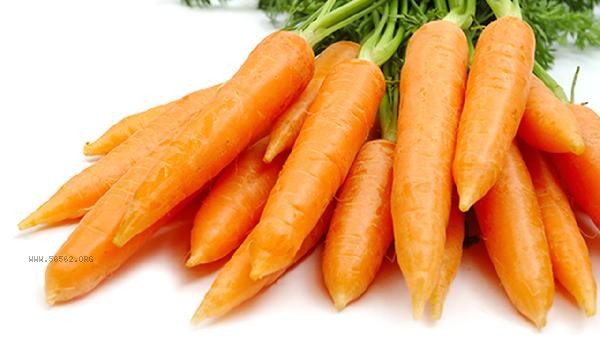
4. Cooking Treatment
High temperature stir frying can retain more volatile flavor compounds, while long-term stewing will dissolve the flavor components in the radish into the soup. Vinegar pickling can inhibit glucosidase activity and weaken the unique pungent odor of radish. Excessive peeling may remove the outer layer rich in flavor compounds.
5. Harvesting timing
Carrots that are not fully ripe have high water content and insufficient concentration of flavor compounds. Radishes harvested in spring usually have lower levels of glucosinolates than those harvested in autumn and winter due to their short growth cycle. Carrots harvested too early have underdeveloped fleshy roots, which prevent the complete accumulation of flavor compounds.
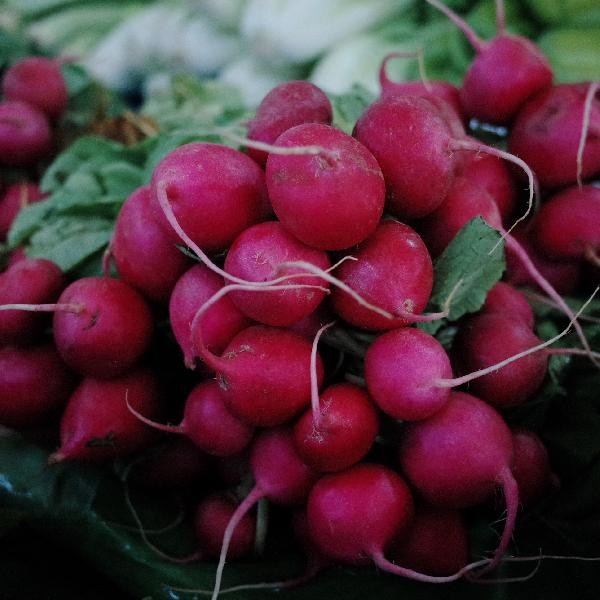
Choose local varieties grown outdoors during the season and consume them as soon as possible after harvesting to maximize the preservation of radish flavor. For short-term storage, it is recommended to wrap it in newspaper and store it in a cool place to avoid freezing cells due to refrigeration. When cooking, using fast fire stir frying or short-term blanching, combined with oil, can help release flavor compounds. If pursuing traditional flavors, old varieties of radish with rough skin and obvious roots can be preferred, as these varieties usually contain richer flavor precursors.








Comments (0)
Leave a Comment
No comments yet
Be the first to share your thoughts!