
Constipation during weight loss may be related to factors such as changes in dietary structure, insufficient water intake, and slowed gastrointestinal motility. Weight loss sufferers can improve constipation symptoms by adjusting dietary fiber intake, increasing water intake, and moderate exercise.
1. Insufficient dietary fiber
If the intake of staple foods or vegetables and fruits is excessively reduced during weight loss, it can lead to insufficient dietary fiber. Dietary fiber can promote intestinal peristalsis, and a lack of it can easily lead to constipation. It is recommended to consume more than 25 grams of dietary fiber per day, and you can choose foods such as oatmeal, brown rice, broccoli, etc. People with weak gastrointestinal function can gradually increase the dosage from a small dose to avoid bloating caused by a one-time large intake.
2. Water deficiency
Some weight loss individuals intentionally reduce their water intake or take diuretic products, resulting in dry intestinal contents. Adults should ensure a daily water intake of at least 1500 milliliters and supplement with extra water after exercise. Drinking warm water on an empty stomach in the morning can stimulate the gastrointestinal reflex, and warm honey water or diluted salt water can also help soften feces.
3. Low oil intake
Strict low-fat diet can lead to insufficient intestinal lubrication. Healthy fats such as nuts and olive oil can promote bile secretion, and it is recommended to consume around 20 grams per day. Individuals with gallbladder disease should adjust their fat intake under the guidance of a doctor to avoid inducing biliary colic.
4. Imbalance of gut microbiota
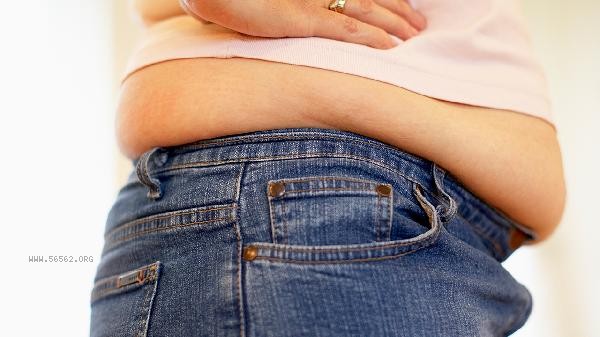
Rapid weight loss may disrupt the balance of gut microbiota. Moderate consumption of sugar free yogurt, kimchi and other fermented foods can supplement probiotics. Long term users of laxatives or antibiotics can take probiotics such as Bifidobacterium triple active capsules and Bacillus subtilis double active granules under the guidance of a doctor.
5. Sudden decrease in exercise
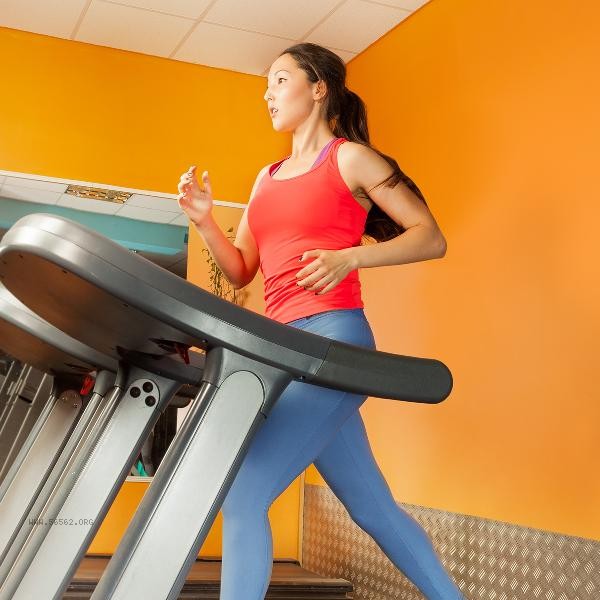
Some weight loss individuals who lose weight through dieting but lack exercise may slow down intestinal peristalsis. It is recommended to engage in aerobic exercise for at least 30 minutes daily, such as brisk walking, swimming, etc. Half an hour after a meal, massage the abdomen clockwise and combine it with abdominal breathing training to enhance intestinal motility. During the weight loss period, it is important to maintain a regular schedule and avoid staying up late, which can lead to autonomic nervous system disorders. If constipation persists for more than a week after adjusting lifestyle, or is accompanied by symptoms such as abdominal pain and bloody stool, it is necessary to seek medical attention promptly to check for organic diseases. It is not recommended to rely on stimulating laxative products such as Ceylon and Senna for a long time to avoid causing intestinal dysfunction. You can follow the doctor's advice to use osmotic laxatives such as lactulose oral solution and polyethylene glycol 4000 powder for short-term conditioning.








Comments (0)
Leave a Comment
No comments yet
Be the first to share your thoughts!