
The softening of body fat during weight loss is usually related to a decrease in fat, muscle relaxation, or water loss. The main reasons include reduced fat volume, insufficient muscle mass, decreased skin elasticity, improper exercise methods, and imbalanced dietary structure.
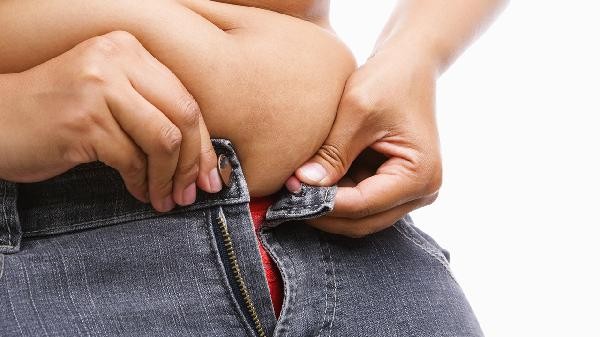
1. Fat volume reduction
Fat cells shrink in volume during weight loss, but their number does not decrease, resulting in a thinning of the subcutaneous fat layer. Adipose tissue originally has a supportive function, but when fat decreases, local skin and soft tissues lose their support, and the touch becomes soft. This situation is more pronounced during rapid weight loss, and it is recommended to increase muscle mass through strength training to improve relaxation.
2. Insufficient muscle mass
Relying solely on dieting or extensive aerobic exercise for weight loss may lead to muscle protein breakdown. Muscle tissue density is higher than fat, and when the proportion of muscle loss exceeds fat, the body will appear soft and weak. Protein intake can be appropriately increased, combined with resistance training such as squats and plank supports, to help maintain muscle mass.
3. Decreased skin elasticity
When the weight loss is too fast in the short term, the collagen fibers and elastic fibers of the skin cannot retract in time, which may lead to skin sagging and sagging. This situation is common in people who have lost more than 10% of their weight base. supplementing with vitamin C and high-quality protein helps with collagen synthesis, and alternating hot and cold showers can also stimulate skin tightening.

4. Improper exercise methods
Only engage in low-intensity aerobic exercise such as jogging, brisk walking, etc. Although it can burn calories, it lacks muscle stimulation. It is recommended to combine high-intensity interval training and strength training, which can not only improve basal metabolic rate, but also fill the space after fat loss through muscle growth, making the body lines more firm.
5. Imbalance in dietary structure
Excessive control of calorie intake may lead to insufficient protein and essential fatty acids, affecting the repair of skin and muscle tissue. It is recommended to consume at least 1 gram of protein per kilogram of body weight daily, and to consume foods rich in unsaturated fatty acids such as nuts and deep-sea fish in moderation. Suddenly stopping a high salt diet may also cause tissue softening due to changes in water metabolism.
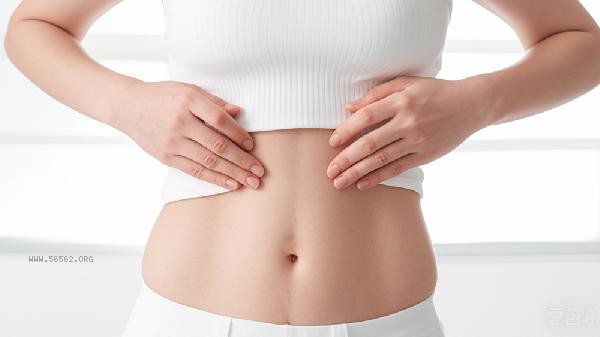
It is recommended to adopt scientific weight loss methods and control the weekly weight loss within one percent of body weight to avoid extreme dieting. Ensure at least 30 minutes of daily composite exercise, such as swimming, skipping rope, and other forms of exercise that combine aerobic and anaerobic activities. Proper supplementation of collagen peptides and vitamin E can improve skin elasticity. If relaxation is accompanied by local pain or abnormal swelling, pathological factors such as thyroid dysfunction or protein deficiency need to be investigated.








Comments (0)
Leave a Comment
No comments yet
Be the first to share your thoughts!