
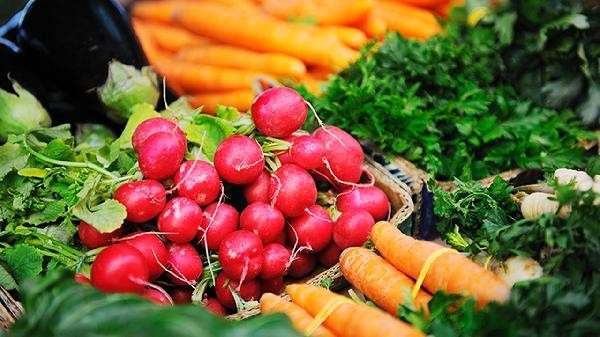
The spiciness of raw radish mainly comes from the glucosinolates it contains and the isothiocyanate compounds produced by the reaction of glucosinolates with glucosinolates. This type of substance has a stimulating odor and spicy taste, and is a natural defense mechanism of cruciferous plants, commonly found in varieties such as white radish and green radish. The glucosinolates in radish do not have a spicy taste when the cells are intact, but when the radish is cut, chewed, or damaged, the cell structure is disrupted, and the glucosinolates undergo hydrolysis reactions when in contact with glucosidase, producing isothiocyanate active substances. These compounds are volatile and can irritate the oral and nasal mucosa, producing a spicy sensation. The intensity of spicy flavor varies greatly among different varieties of radish, with higher concentrations of spicy substances typically found in the epidermis and near the roots. Carrots grown in spring have insufficient sugar conversion due to the large temperature difference between day and night, resulting in more accumulation of spicy substances. Some special varieties such as cherry radish and fruit radish have been artificially selected to reduce the content of glucosinolates, resulting in a milder spiciness. Carrots stored for too long can experience a relative increase in the concentration of spicy substances due to water loss. During the cooking process, high temperatures can inactivate glucosidase and prevent the production of spicy substances, so cooked radish usually does not show a spicy taste.
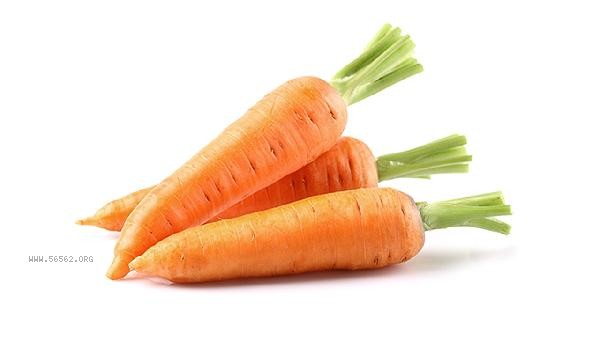
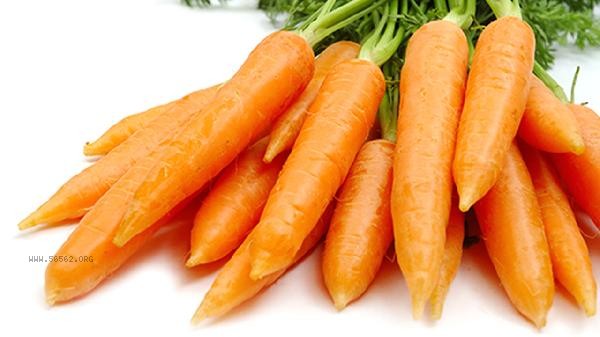
When consuming raw radish in daily life, you can choose varieties with lighter spiciness, or reduce the spiciness by peeling off the skin, slicing and soaking in water. People with gastrointestinal sensitivity should control their consumption and avoid eating on an empty stomach. Carrots are rich in dietary fiber and vitamin C. Moderate consumption can help promote digestion, but spicy ingredients may irritate the gastric mucosa. It is recommended to consume them with meals or with honey to alleviate irritation. Keeping a moist environment during storage can delay the increase in concentration of spicy substances.








Comments (0)
Leave a Comment
No comments yet
Be the first to share your thoughts!