
The spiciness of radish is mainly related to the presence of glucosinolates, which are enzymatically hydrolyzed into isothiocyanate compounds during chewing, resulting in a spicy sensation. The spiciness of different varieties of radish varies greatly, mainly influenced by factors such as radish variety, growth environment, harvesting time, storage conditions, and edible parts.
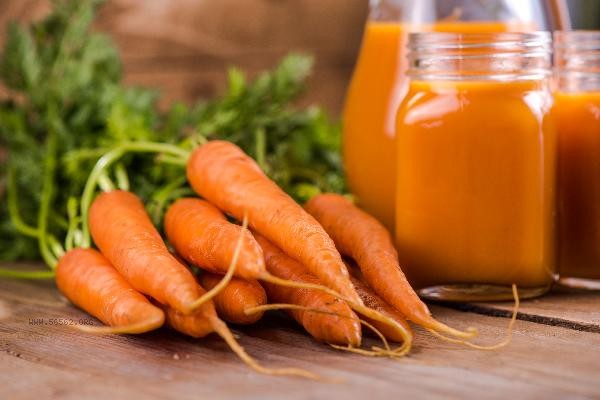
1. Radish Variety
The spiciness of radish is closely related to its variety characteristics. Varieties with high moisture content such as white radish and green radish have weaker spiciness, while varieties with tight flesh such as red radish and cherry radish have higher levels of spicy substances. Wild radish contains more glucosinolates than cultivated varieties, and some specially cultivated varieties improve their taste by reducing the glucosinolate content.
2. Growth Environment
A dry and rainy growth environment can promote radish to accumulate more spicy substances as a defense mechanism. When the sulfur content in the soil is too high, carrots will synthesize more glucosinolates. Carrots grown in areas with large temperature differences between day and night often have higher levels of spicy ingredients than similar varieties grown in warmer regions.
3. Harvesting time
Radishes that are not fully ripe have higher levels of spicy substances, which gradually decrease with increasing growth time. Carrots harvested in spring are usually spicier than those harvested in autumn, which is related to the accumulation pattern of secondary metabolites during the plant growth cycle. Harvesting too early or too late can affect the balance of spicy substances in radish.
4. Storage Conditions
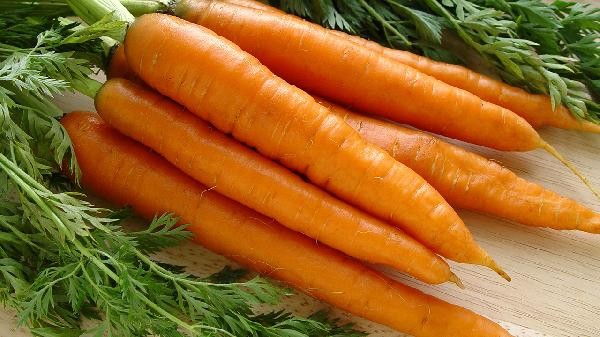
Low temperature storage can slow down the degradation of glucosinolates in radish, allowing the spicy flavor to last longer. When the sliced radish is exposed to air for too long, enzymatic reactions will continue to produce spicy substances. Vacuum packaging or blanching treatment can effectively reduce the activity of spicy ingredients in radish.
5. Edible parts
The concentration of spicy substances near the skin of radish is usually several times higher than that inside, and the spiciness is strongest near the petiole. The accumulation of glucosinolates at the tail of radish is higher than at the top, and the spiciness of vertical slices is significantly stronger than that of horizontal slices. Removing the skin and blanching appropriately can significantly reduce the spicy irritation during consumption.
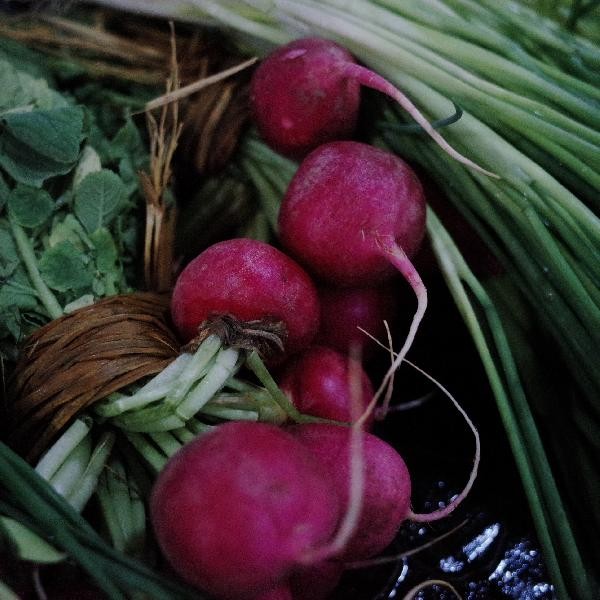
For people who cannot tolerate the spicy taste of radish, it is recommended to choose white radish with isothermal and variety. Before consumption, the radish can be peeled and soaked in salt water or quickly blanched. Shredding radish and marinating it with sugar, or pairing it with honey, pear juice, etc., can also neutralize the spiciness. Eating slightly spicy radish in winter can help promote blood circulation, but people with gastrointestinal sensitivity should pay attention to controlling their intake and avoid eating on an empty stomach. Reasonably combining carrots with other ingredients can not only retain nutrients but also improve the taste experience.








Comments (0)
Leave a Comment
No comments yet
Be the first to share your thoughts!