
The special odor of radish mainly comes from sulfur-containing compounds and isothiocyanates, which are released through enzymatic reactions during cutting or chewing. Common influencing factors include variety differences, freshness, storage conditions, and cooking methods.

1. Sulfur compounds
Carrots contain abundant glucosinolates, which are broken down by myrosinase to produce volatile components such as allyl isothiocyanate. The unique defense mechanism of cruciferous plants gives these compounds a stimulating odor, with the spiciness of fresh white radish being particularly pronounced. Low temperature storage can slow down the enzymatic hydrolysis process, while blanching appropriately can reduce odor intensity.
2. Variety Characteristics
There are significant differences in the content of glucosinolates among different varieties of radish, and the sulfide concentration of green radish and red radish is usually higher than that of white radish. Wild varieties have a stronger odor than cultivated varieties, and radishes harvested in spring often have a stronger taste due to their shorter growth period. Choosing hybrid improved varieties can weaken special odors.
3. Freshness
Prolonged storage time can cause damage to radish cells, accelerate enzymatic hydrolysis reactions, and increase the concentration of odor substances in radish with wrinkled skin. Refrigerated storage can delay this process, but the sulfide content will still increase after more than a week. The smell of freshly dug and eaten radish is relatively fresh.
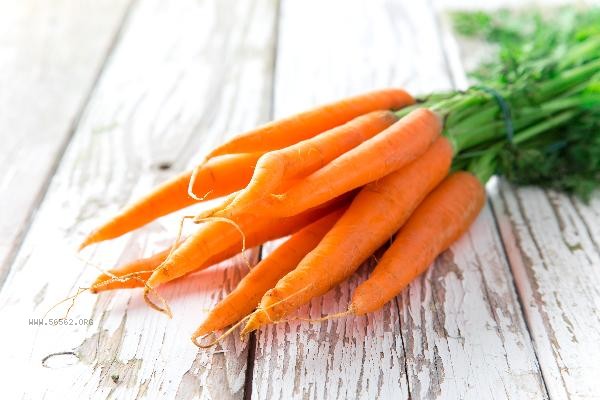
4. Cooking Method
High temperature cooking can damage myrosinase activity, and stewing for more than 30 minutes can reduce 80% of volatile sulfides. Vinegar pickling converts odorous substances through acid-base reactions, and cooking with oil can create a flavor enveloping effect. Quick stir frying preserves the crisp and refreshing taste while releasing less odor.
5. Individual Sensitivity
Differences in the human TAS2R38 bitter taste receptor gene affect sensitivity to sulfides, with approximately 30% of the population being particularly sensitive to radish odor. Pregnant women may amplify their perception of odors due to changes in their sense of smell, and the rejection rate is higher in children with underdeveloped taste buds. Moderate pairing with honey or spices can improve acceptance.
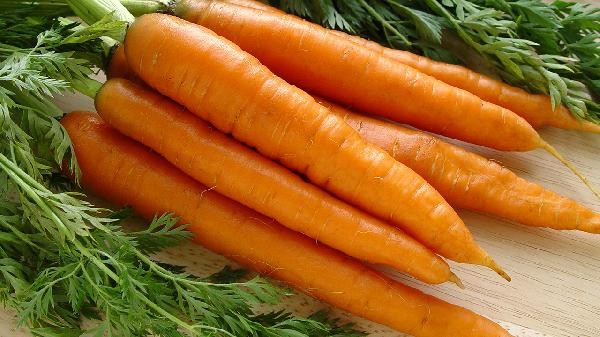
For daily consumption, it is recommended to choose fresh and tender individuals with smooth and compact skin. Soaking in salt water for 15 minutes before cooking can help precipitate some sulfides. Cutting carrots into pieces and refrigerating them for 1 hour before processing can reduce enzyme activity. When cooked with meat or made into sweet and sour flavors, it can effectively neutralize odors. People who are sensitive to odors can prioritize choosing small radishes such as cherry radishes, which have only one-third the glucosinolate content of ordinary radishes. Be aware that rotten and spoiled radishes will produce a more unpleasant smell of hydrogen sulfide. If hollow and sticky carrots are found, they should be discarded immediately.








Comments (0)
Leave a Comment
No comments yet
Be the first to share your thoughts!