
The white color of lard after cooling is the result of the combined action of oil crystallization and light refraction. Pig fat is mainly composed of saturated fatty acids and a small amount of unsaturated fatty acids. When the temperature decreases, saturated fatty acids will form a regular crystal structure, resulting in enhanced light scattering and appearing white.
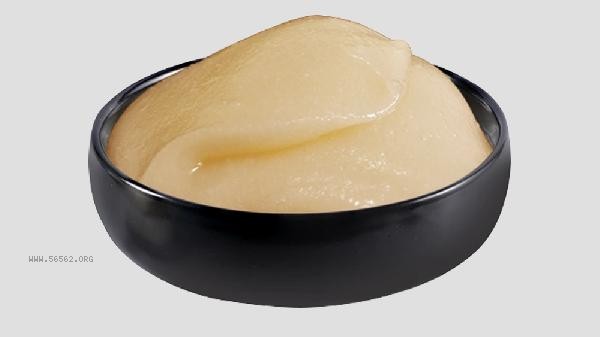
Pig fat appears in a light yellow or transparent state when in liquid form, because the molecules of the liquid oil are arranged in an disordered manner, and light can penetrate more directly. When the temperature drops to room temperature or lower, high melting point saturated fatty acids begin to crystallize, forming a large number of tiny crystals. These crystal structures cause diffuse reflection of incident light, resulting in uniform scattering of visible light of all wavelengths and ultimately presenting a white appearance. The higher the degree of crystallization, the more obvious the white color, which is similar to the optical principle of snowflakes appearing white. In special circumstances, if lard contains a high amount of carotenoids and other pigments, it may appear pale yellow after cooling. Industrial refined lard removes most of the pigments and impurities, resulting in a purer white color after crystallization. If stored improperly, lard may oxidize and turn yellow or even have spots after cooling. This spoiled lard is not recommended for consumption.
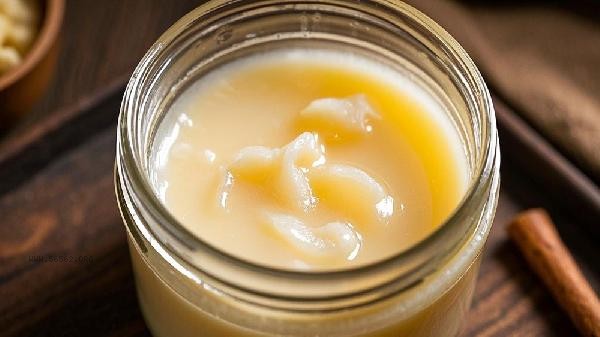
When using lard in daily life, attention should be paid to sealing and storing it away from light, avoiding high temperatures and humid environments. Although lard can enhance food flavor, it has a high content of saturated fatty acids. It is recommended to control the amount consumed and can be used in combination with vegetable oils. Cooling and solidification are normal physical changes of lard, which do not affect safety, but if there is an odor or abnormal color, it should be stopped from consumption. Reasonably stored lard can be stored for a long time in a cool place, and can be refrigerated in summer to extend its shelf life.








Comments (0)
Leave a Comment
No comments yet
Be the first to share your thoughts!