
The fuzz on the surface of kiwifruit is a natural growth protective structure, which mainly functions to reduce water evaporation, resist pests and diseases, and buffer mechanical damage. The density of fluff is related to factors such as variety characteristics, growth environment, maturity, etc.
1. Variety Characteristics
The dense and fuzzy skin of Chinese kiwifruit and other original varieties is a genetic expression of wild traits. After artificial breeding, some cultivated varieties such as Hayward still retain significant fuzzy characteristics. There are differences in the morphology of different varieties of fur, with soft fur varieties having a delicate touch and hard fur varieties having stronger protective properties.
2. Physiological protection
The physical barrier formed by the epidermal hairs can prevent some insects from gnawing, and its hydrophobic structure can guide rainwater and prevent long-term water accumulation on the fruit surface. The microenvironment formed by the gaps between the hairs can regulate gas exchange on the surface of the fruit and delay water loss during the ripening process.
3. Environmental adaptation
Wild kiwifruit adapts to mountainous climates with large temperature differences between day and night by thickening its villi. The glandular cells in the villi can secrete wax to enhance cold resistance. Proper shading during cultivation can promote villous development, while excessive exposure to sunlight may lead to villous shedding.
4. Development Process
The villi are most dense during the young fruit stage, and the density of villi per unit area decreases as the fruit expands. During the mature stage, some varieties may naturally shed their fuzz, but commercial harvesting is often carried out before they are fully ripe, so commercially available kiwifruit usually retains obvious fuzz.
5. Eating Effects
The fuzz does not contain toxic substances but may irritate the oral mucosa. Peeling and eating can avoid discomfort. When processing products such as jam, high temperature treatment can cause the fuzz to carbonize and fall off. When fresh, gently rubbing the surface with salt can remove most of the fuzz.
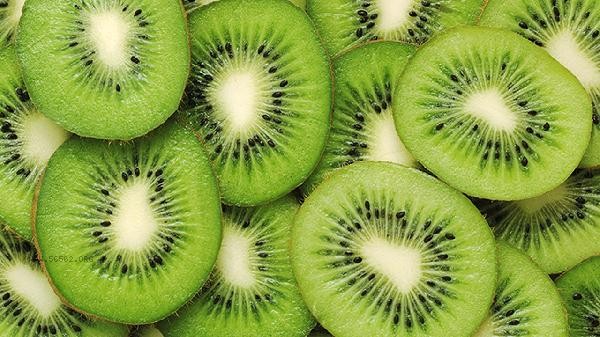
When selecting kiwifruit, the freshness can be judged by observing the state of the fuzz. A complete and uniform fuzz usually represents less transportation damage. During storage, avoid squeezing and rubbing to prevent shedding of fluff, which may accelerate local skin oxidation. For those who are allergic to fuzz, it is recommended to wear gloves or choose low fuzz varieties such as golden kiwi. Gently rinse with running water before daily consumption, excessive brushing may damage the protective layer of the fruit peel.








Comments (0)
Leave a Comment
No comments yet
Be the first to share your thoughts!