
Constipation during weight loss may be related to changes in dietary structure, insufficient water intake, imbalanced gut microbiota, reduced exercise, increased mental stress, and other factors. If the food intake is suddenly reduced or the dietary structure is changed during the weight loss process, it may lead to insufficient dietary fiber and slow gastrointestinal motility; Neglecting hydration while strictly controlling calorie intake can also exacerbate difficulty in defecation due to dry intestinal contents; Some weight loss methods may disrupt the balance of gut microbiota and affect digestive function; A sudden decrease in physical activity can lead to a decrease in intestinal motility; Excessive attention to weight may also trigger anxiety and indirectly inhibit intestinal peristalsis.
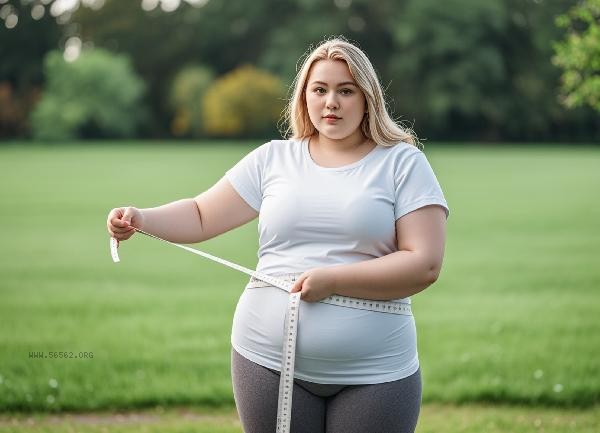
1. Changes in dietary structure
Sudden reduction in staple food or fat intake can lead to insufficient fecal volume, making it difficult to form effective intestinal stimulation. A low carbohydrate diet may lead to a decrease in short chain fatty acids in the intestine, while a high protein diet may alter the alkaline environment of the intestine. It is recommended to gradually adjust the dietary ratio, ensuring 300-500 grams of vegetables and 200-350 grams of whole grains per day, consuming slow-release carbohydrates such as oatmeal and sweet potatoes, and supplementing healthy fats with flaxseed oil.
2. Insufficient water intake
During weight loss, intentionally controlling water intake or sweating excessively without timely hydration can cause the colon to excessively absorb water and make feces dry and hard. The daily water intake should be maintained at 1500-1700 milliliters. Drinking 300 milliliters of warm water on an empty stomach in the morning can stimulate the gastrocolic reflex. When engaging in high-intensity exercise or weight loss in high-temperature environments, it is necessary to supplement with diluted salt water or electrolyte drinks.
3. Imbalance of gut microbiota
Extreme dieting or a single diet can reduce the number of beneficial bacteria such as bifidobacteria, affecting cellulose breakdown and short chain fatty acid synthesis. Long term use of meal replacement powder may alter the pH value of the intestine. Moderate intake of sugar free yogurt, kimchi and other fermented foods is recommended. If necessary, probiotics such as Bifidobacterium triple active powder and lichen spore active capsules can be used under the guidance of a doctor.
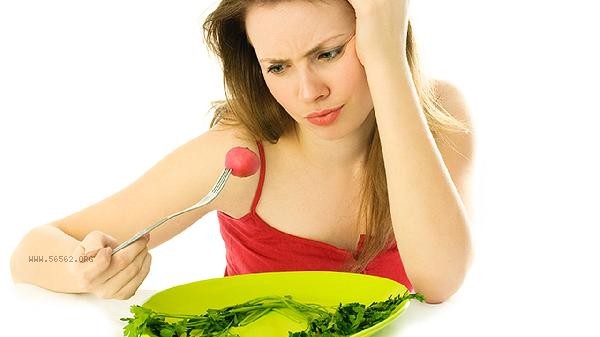
4. Sudden decrease in exercise
During weight loss, excessive reliance on dietary control and reduced activity can weaken the contraction of abdominal and intestinal smooth muscles. It is recommended to maintain a basic activity level of at least 6000 steps per day, and engage in core training such as abdominal rolling and hip bridge exercises to enhance abdominal pressure. Vertical vibration exercises such as skipping rope can also promote intestinal peristalsis. Get up and move for 5 minutes every hour of sitting.
5. Psychological stress factors
Excessive attention to weight numbers may activate the sympathetic nervous system and inhibit the regulation of the gut by the parasympathetic nervous system. Lack of sleep can reduce the secretion of motilin, further delaying intestinal transport. Anxiety can be alleviated through mindfulness diet training, ensuring 7 hours of sleep, and cognitive behavioral interventions can be conducted under the guidance of a psychologist if necessary.
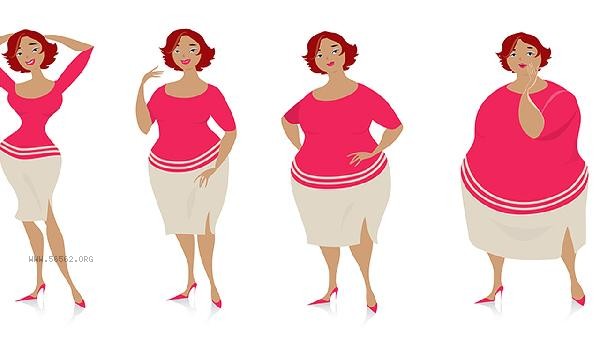
It is recommended to adopt a gradual weight loss strategy, with a weekly weight loss of no more than 1 kilogram, to avoid completely cutting off certain nutrients. Record your diet and exercise daily. If you experience persistent constipation, try massaging your abdomen clockwise and drinking natural laxatives such as plum juice. If accompanied by abdominal pain, rectal bleeding, or failure to defecate for more than 5 days, timely consultation with a gastroenterologist is necessary to rule out organic diseases. Long term weight loss individuals should undergo regular nutritional assessments and supplement with multivitamins and mineral supplements as necessary.








Comments (0)
Leave a Comment
No comments yet
Be the first to share your thoughts!