
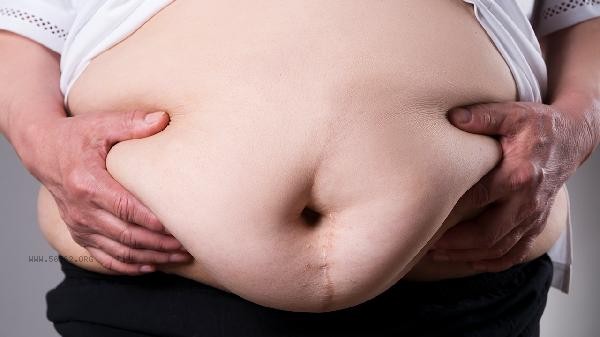
Constipation after taking weight loss pills may be related to the drug ingredients inhibiting gastrointestinal motility, reducing water absorption, or altering gut microbiota. Common reasons include sudden discontinuation of weight loss drugs containing laxatives, direct slowing of intestinal movement, insufficient dietary fiber intake, decreased water intake, and imbalanced gut microbiota.
1. Rejuvenation of laxative ingredients
Some weight loss drugs contain stimulating laxative ingredients such as rhubarb and senna leaves, which can lead to intestinal dependence if used for a long time. Sudden discontinuation of medication may lead to constipation if the intestinal peristalsis function is not restored. You can follow the doctor's advice to use laxatives such as lactulose oral solution and polyethylene glycol 4000 powder for transition, while adding natural defecation promoting foods such as whole grains and plums.
2. Gastrointestinal motility inhibition
Some weight loss drugs work by inhibiting central appetite or delaying gastric emptying, such as Orlistat capsules, which may indirectly reduce intestinal peristalsis frequency. Manifested as prolonged intervals between bowel movements and dry and hard stool. It is recommended to combine abdominal massage with moderate exercise, and if necessary, use Mosapride tablets under the guidance of a doctor to regulate gastrointestinal motility.
3. Dietary fiber deficiency
Strictly control the intake of vegetables and fruits during the diet period. Insufficient dietary fiber can lead to a decrease in fecal volume. 300 grams of green leafy vegetables and 200 grams of low sugar fruits such as celery and dragon fruit should be consumed daily, along with chia seeds to supplement soluble fiber and promote intestinal peristalsis.
4. Insufficient water intake
Some weight loss drugs lose weight through diuretic effects, and if water is not replenished in a timely manner, it can easily cause dry stools. The daily water intake should reach 2000 milliliters, and drink warm water in small amounts, avoiding diuretic drinks such as strong tea and coffee. Can be used as an adjunct to temporarily relieve symptoms, but should not be relied upon for a long time.
5. Microbial imbalance
Weight loss drugs may disrupt the balance of intestinal microbiota, leading to a decline in digestive function. Manifested as alternating bloating and constipation. You can consult a doctor and take Bifidobacterium triple active bacteria capsules to regulate the microbiota. Daily supplementation of fermented foods such as sugar free yogurt and kimchi can help restore the intestinal environment.
During the period of taking weight loss pills, it is necessary to monitor changes in bowel habits. If there is no bowel movement for 3 days or accompanied by abdominal pain, medical attention should be sought in a timely manner. It is recommended to maintain aerobic exercise such as brisk walking for 30 minutes every day, drink warm water on an empty stomach in the morning to stimulate intestinal peristalsis, and avoid prolonged sitting. We adopt the principle of small meals and multiple meals, pairing 1-2 high fiber ingredients with each meal to gradually establish a regular bowel movement reflex. If constipation symptoms persist and do not improve, medication should be stopped and the gastrointestinal function should be evaluated by seeking medical attention from a gastroenterologist.








Comments (0)
Leave a Comment
No comments yet
Be the first to share your thoughts!