
Boiling milk is prone to sticking to the pot mainly due to the characteristics of the milk ingredients, improper heating methods, and the selection of pot materials. Milk contains lactose and protein, and is prone to Maillard reaction at high temperatures, causing it to become burnt. The lactose in milk gradually decomposes into glucose and galactose when continuously heated, and these monosaccharides undergo caramelization reactions at temperatures above 100 degrees Celsius. Proteins begin to denature above 60 degrees Celsius, and when the temperature reaches 80 degrees Celsius, whey protein forms a network structure and adheres to the bottom of the pot. When using stainless steel or aluminum pots, the metal conducts heat too quickly, which can easily cause local high temperatures, and the poor fluidity of milk cannot take away heat in a timely manner.
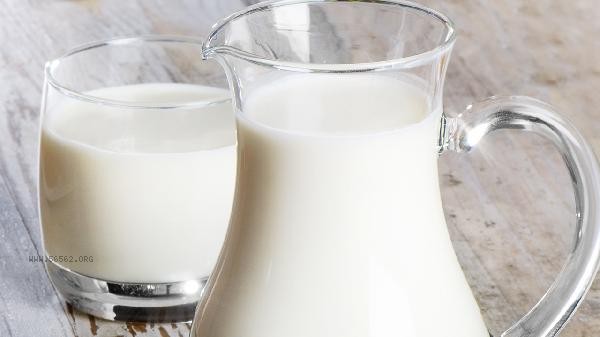
Using a thick bottomed pot can effectively disperse heat, but residual water stains at the bottom of the pot can form an insulation layer, resulting in uneven heating. When the power of the induction cooker is too high during heating, the bottom of the pot will instantly reach a high temperature, and the direct contact of the gas stove flame with the bottom of the pot will also cause local overheating. The large number of bubbles generated when milk is boiled will rupture, leaving behind dry solid substances that will carbonize and turn black when continuously heated. When boiling milk, a thick bottomed stainless steel pot should be used and heated over low heat throughout the process, constantly stirring to ensure even heating. When small bubbles appear on the edge of the pot, immediately reduce the heat and avoid using the microwave to directly heat fresh milk. You can first soak the pot in clean water to lower the initial temperature, and then pour it into another container in a timely manner after cooking to prevent the bottom from sticking due to residual temperature. Pay attention to controlling the intake of dairy products in daily diet, and lactose intolerant individuals can choose fermented dairy products as a substitute.








Comments (0)
Leave a Comment
No comments yet
Be the first to share your thoughts!