
The turning red of boiled edamame water is mainly related to the natural pigments and oxidation reactions in edamame, which is a normal phenomenon. This phenomenon may be caused by differences in edamame varieties, water quality acidity and alkalinity, prolonged heating time, use of iron pots, anthocyanin oxidation, and other factors.
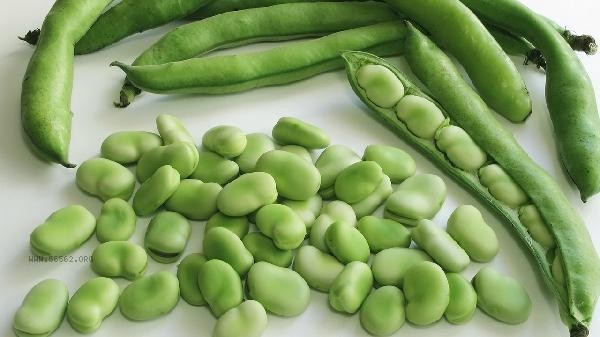
1. Differences in edamame varieties
Some edamame varieties contain more anthocyanins on their skin, which are water-soluble pigments that are easily soluble in water during heating. When anthocyanins come into contact with water, they gradually release with increasing temperature, resulting in the boiled bean water appearing light red or purple red. The content of anthocyanins varies significantly among different varieties, and the color depth may also differ.
2. Water acidity and alkalinity
The mineral content in water can affect the color rendering effect of anthocyanins. Alkaline hard water tends to make anthocyanins appear blue purple, while weakly acidic water is more likely to appear red. In some areas, tap water contains a high amount of calcium and magnesium ions, which may exacerbate color changes when combined with phenolic substances in edamame.
3. Prolonged heating time
Prolonged high-temperature cooking can accelerate the rupture of soybean cell walls, promoting the dissolution of more pigments and phenolic substances. As the heating time increases, these substances undergo polymerization reactions in water, and their color gradually changes from light yellow to orange red. Controlling the cooking time within 10 minutes can reduce the degree of discoloration.
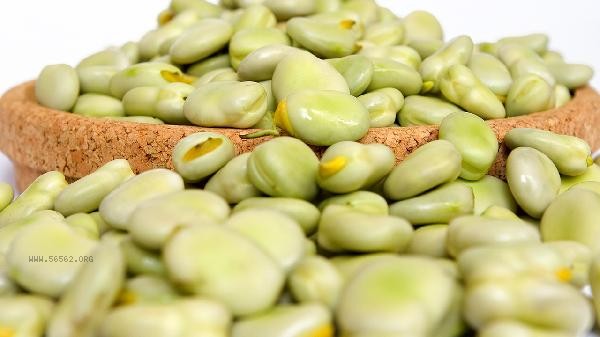
4. Iron cookware
Iron ions in iron cookware will react with tannic acid in edamame to form dark compounds. This chemical reaction is more pronounced in high temperature environments and may cause the boiled bean water to appear reddish brown. The use of stainless steel or ceramic cookware can effectively reduce such discoloration phenomena.
5. Anthocyanin oxidation
Anthocyanins in edamame undergo oxidation reactions when exposed to oxygen, especially during boiling. The structure of oxidized anthocyanins changes, and their color changes from colorless to red. Covering and cooking or rapid cooling can slow down the oxidation process, but cannot completely avoid color changes.
Boiling edamame until the water turns red does not affect its safety for consumption, but if abnormal turbidity or odor is found in the water, it should be stopped from consumption. It is recommended to quickly blanch fresh edamame and then chill it, which can maintain its emerald green color and retain its nutrients. When storing edamame in daily life, pay attention to sealing and refrigeration to avoid prolonged exposure to air that may cause nutrient loss. For people with weak digestive function, the cooking time can be appropriately extended to ensure that the edamame is fully cooked.








Comments (0)
Leave a Comment
No comments yet
Be the first to share your thoughts!