
Putting unripe fruits in apples can accelerate ripening, mainly due to the release of ethylene gas from apples. Ethylene is a natural plant hormone that promotes enzyme activity during fruit ripening, mainly catalyzing starch conversion, softening flesh, and increasing sweetness. The ethylene released by apples can penetrate into unripe fruits, activating their internal metabolic reactions. Immature fruits themselves have lower ethylene production, but upon contact with apples, they can quickly activate the ripening signaling pathway, accelerating chlorophyll decomposition and aromatic substance synthesis. Common late maturing fruits such as kiwi, banana, mango, etc. can be stored together with apples to shorten the ripening time.
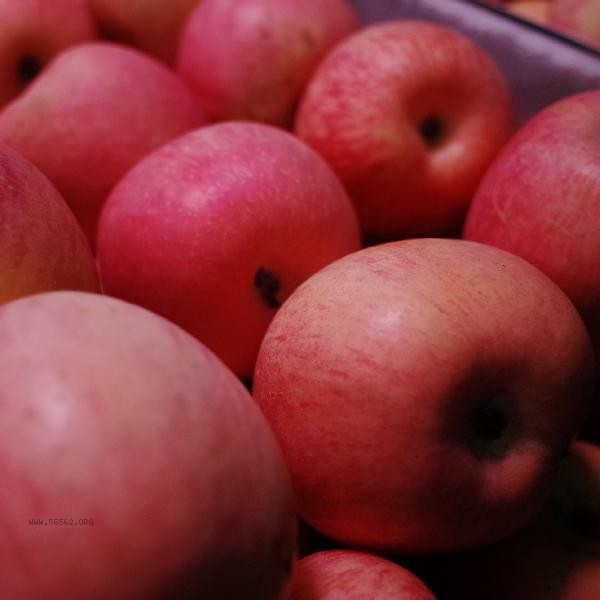
Some fruits with low sensitivity to ethylene, such as citrus or pineapple, do not show significant effects. This type of fruit relies on its own physiological changes for ripening, and ethylene has limited impact on it. If the storage environment humidity is too high, the ethylene released by apples may cause the fruit to rot too quickly, so it is necessary to pay attention to ventilation and regular inspections.

When ripening fruits in daily life, it is recommended to seal apples and unripe fruits in paper bags to avoid direct sunlight. Paper bags can both accumulate ethylene gas and absorb excess moisture to prevent mold growth. Take it out and consume it in a timely manner after maturity, as excessive ethylene may lead to overripe fruits. At the same time, pay attention to distinguishing the types of fruits. This method is not suitable for non ripe fruits, and refrigeration storage can better maintain freshness.








Comments (0)
Leave a Comment
No comments yet
Be the first to share your thoughts!