
The astringency of stir fried vegetables is mainly related to factors such as high oxalic acid content, improper cooking methods, and variety characteristics. Oxalic acid is the main source of astringency in vegetables, and high-temperature stir frying or blanching pretreatment can effectively reduce astringency.
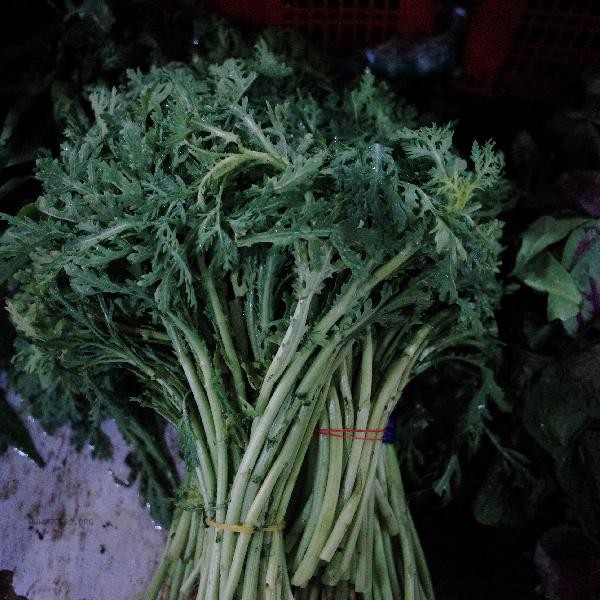
1. Effect of Oxalic Acid
Green leafy vegetables such as spinach and water spinach contain a high amount of oxalic acid, which can bind to oral mucosal proteins and produce a astringent sensation. Oxalic acid is easily soluble in water. It is recommended to blanch the vegetables for 10-20 seconds before stir frying to dissolve most of the oxalic acid in water. Some people are more sensitive to oxalic acid, and the astringency will be more pronounced after consumption.
2. Cooking method
Directly stir frying at high temperatures can easily lead to incomplete rupture of the cell wall of vegetables, and the inability to fully release astringent substances such as oxalic acid. The use of hot pot, cold oil, and medium heat stir frying is more conducive to maintaining a crispy and tender taste. Cooking for too long can cause chlorophyll decomposition and worsen the bitter taste. It is recommended to complete the cooking within 1-2 minutes.
3. Variety Differences
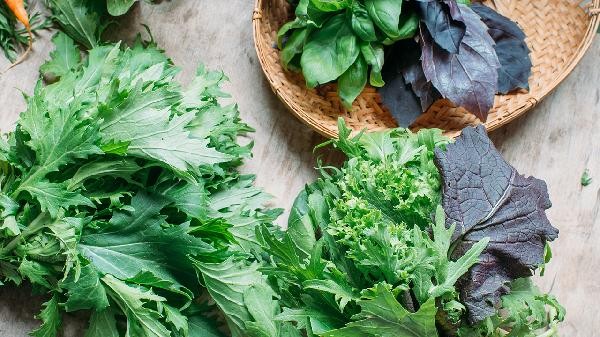
Mustard, bitter and other varieties themselves contain more bitter substances, which work together with oxalic acid to enhance astringency. Choosing tender leaves can alleviate astringency, while older leaves or stems accumulate more astringent substances. Green vegetables grown outdoors in winter produce more secondary metabolites due to low temperature stress, resulting in a more astringent taste compared to those grown in greenhouses.
4. Water Quality Factors
When cooking with hard water, calcium and magnesium ions will form insoluble precipitates with oxalic acid, exacerbating the rough and astringent taste. It is recommended to use purified water or softened water when blanching, and add a small amount of white sugar or cooking wine to help neutralize astringency when stir frying. Excessive mineral content in water in some areas can affect the dissolution balance of flavor compounds in vegetables.
5. Storage Effects
Green vegetables refrigerated for more than 3 days will accumulate more oxidative products such as malondialdehyde, which can easily produce a crackling taste and astringency after stir frying. Freshly picked and stir fried vegetables have the lightest astringency, and it is recommended to wrap them with plastic wrap to block oxygen contact during storage. Some vendors may spray chemical agents for preservation, which may also cause abnormal astringency and require thorough rinsing.
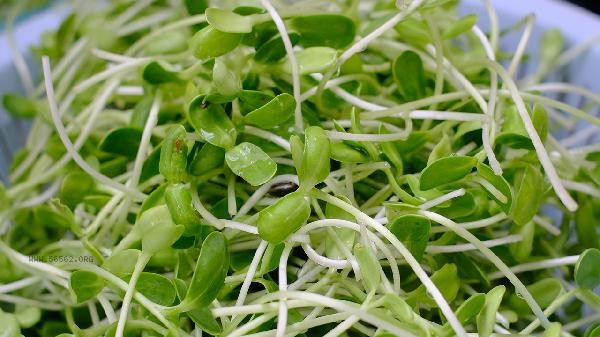
For daily cooking, it is recommended to choose tender leafy vegetables of the current season. Soaking them in light salt water for 10 minutes before stir frying can help remove some oxalic acid. Cooking with protein rich ingredients such as tofu and eggs can reduce astringency through the combination of protein and oxalic acid. People with gastrointestinal sensitivity can stir fry green vegetables with shredded ginger, and gingerol can inhibit the sensitivity of astringency receptors. Pay attention to keeping the frying pan clean to avoid residual oil oxidation, which can cause unpleasant odors and worsen the taste. If there is obvious tongue numbness or throat irritation after consumption, be alert to pesticide residues or the possibility of spoilage.








Comments (0)
Leave a Comment
No comments yet
Be the first to share your thoughts!