
The main purpose of peeling tomatoes is to remove pesticide residues on the skin and improve taste, but not peeling can also retain more dietary fiber and nutrients.
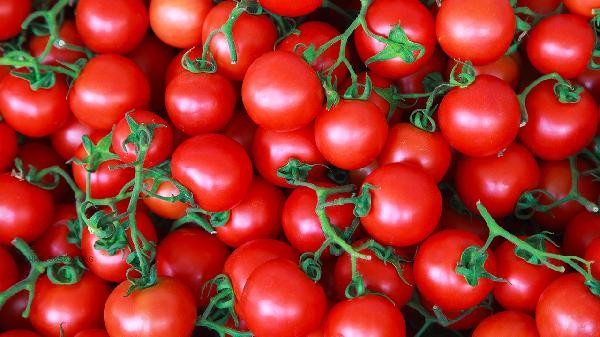
Tomatoes may have residual pesticides or wax on their skin, and peeling them can reduce the risk of ingestion, especially for children or people with gastrointestinal sensitivity who are safer. Peeling during heating cooking can prevent the skin from curling and affecting the appearance of dishes. Peeling is more effective when making foods such as tomato sauce that require delicate texture. Some varieties of tomatoes have thicker skin and a softer texture after peeling, making them suitable for making soups or mixing with salads. In some cases, retaining tomato skins is more valuable. The epidermis is rich in dietary fiber and antioxidants such as lycopene, which can help promote intestinal peristalsis and nutrient absorption when consumed directly. Retaining the skin during cold or short-term cooking can reduce nutrient loss and make it easier to clean and process intact fruits. Tomatoes grown organically or thoroughly cleaned can be safely consumed without peeling.
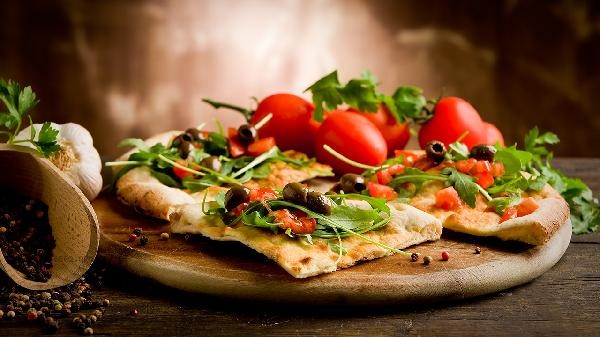
Tomatoes for daily consumption can be peeled according to their purpose and personal needs. When eating raw food, rinse the skin thoroughly with running water. For making baby food or sauces, it is recommended to remove the skin. Choosing fresh and plump tomatoes with no damage or spots on the skin is safer. Cooking with olive oil can help improve the absorption rate of lycopene and prevent prolonged high-temperature cooking from damaging vitamin C.








Comments (0)
Leave a Comment
No comments yet
Be the first to share your thoughts!