
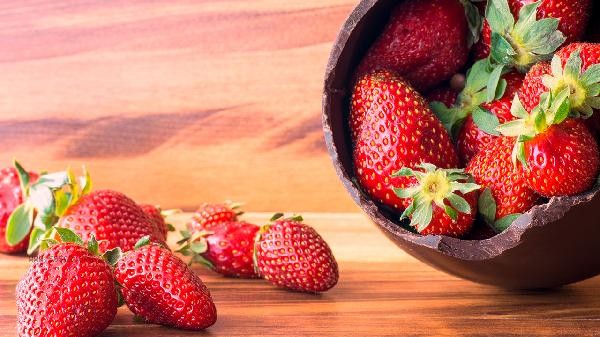
Strawberries are prone to decay after washing mainly due to their fragile skin structure, accelerated deterioration caused by residual moisture, and improper cleaning methods. The strawberry skin is thin and porous, and mechanical damage and microbial invasion are key factors leading to decay.
1. Fragile epidermal structure
The strawberry epidermis is only composed of a single layer of cells, and the surface is covered with tiny pores and hairs. Friction during cleaning can damage this protective barrier, exposing the flesh directly. Damaged cells release sap and sugar, providing nutrients for the growth of mold and bacteria. Especially for mature strawberries, the cell wall is more prone to rupture, and even slight rubbing can cause local softening.
2. Moisture residue accelerates spoilage
The concave surface of strawberries is prone to accumulating water droplets, and a humid environment can promote the growth of microorganisms such as gray mold. These fungi can secrete pectinase to break down the intercellular matrix, leading to fruit collapse and decay. Experiments have shown that strawberries stored with water have a significantly increased probability of mold growth within 12 hours, while slow water evaporation under refrigeration conditions can exacerbate this problem.
3. Improper cleaning method
Excessive water pressure during running water washing can damage the fruit pulp, while soaking can cause strawberries to absorb water, expand, and rupture. The correct approach is to gently rinse with cold water, and immediately absorb the surface moisture with kitchen paper after washing. Avoid cleaning after removing the fruit stem, otherwise moisture will seep into the core through the incision. The preservatives used by some vendors may also lose their antibacterial effect after being washed.

4. Changes in storage conditions
If cleaned strawberries are returned to their original packaging, condensation will form in a sealed environment. It is recommended to use breathable food box pads with absorbent paper for storage, and maintain the temperature at 0-4 degrees Celsius to delay spoilage. The natural wax layer on the surface of unwashed strawberries can block air, while washing with water can damage this protective film.
5. Maturity Effect
Fully matured strawberries contain more ethylene and pectinase, and slight mechanical damage can initiate autolysis. When choosing, choose strawberries with fresh green fruit stems and moderate hardness, as these fruits have higher cell wall cellulose content. Strawberries that are squeezed during transportation, even if not cleaned, have damaged internal cells and are more prone to decay in the later stages.
It is recommended to clean as needed after purchase, and wash as much as you eat. Unclean strawberries can be refrigerated and stored for 2-3 days, and should be consumed within 6 hours after cleaning. If local mold spots are found, the entire strawberry should be discarded as the fungal hyphae may have spread throughout the fruit. Washing lightly with lemon juice or white vinegar water can inhibit some bacteria, but it can alter the flavor. When storing, avoid contact with fruits such as apples and bananas that release large amounts of ethylene, and extend the shelf life appropriately.








Comments (0)
Leave a Comment
No comments yet
Be the first to share your thoughts!