
The appearance of a sticky taste in tofu is usually related to improper production techniques or storage conditions, mainly due to high processing temperatures, residual soybean residue, imbalanced brine ratios, humid storage environments, and excessive secondary heating.
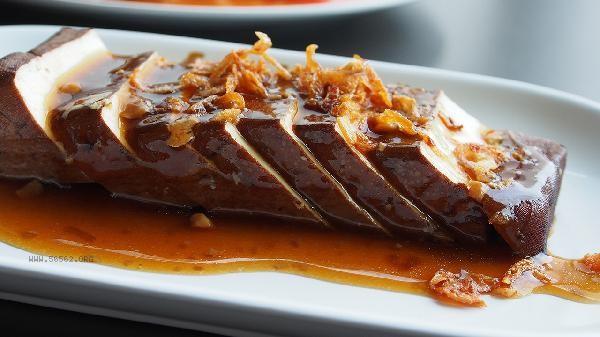
I. The processing temperature is too high
For traditional tofu production, it is necessary to boil soybean milk and add brine. If the fire control is improper, the bottom of the pot will be burnt, and the paste smell will seep into soybean milk. Some small workshops use iron pots for direct heating, which is more prone to localized high-temperature carbonization. It is recommended to choose tofu produced by legitimate manufacturers, whose industrial production lines can accurately control temperature.
2. Residue of soybean residue
Insufficient filtration of soybean residue during grinding can lead to sedimentation and coking during the cooking process, especially when using traditional tools such as stone mills. Bean dregs contain a large amount of dietary fiber and protein, which can produce a burnt odor at high temperatures. Modern technology using centrifugal separation technology can effectively avoid this problem.
3. Imbalance of brine ratio
Excessive addition of brine will make the tofu tissue tight, and the internal water is not easy to evaporate. When pressed at high temperatures, the bottom tofu is prone to sticking to the mold, resulting in a burnt smell. Salted tofu is more prone to this situation than gypsum tofu because the salt brine solidifies faster and requires higher processing requirements.
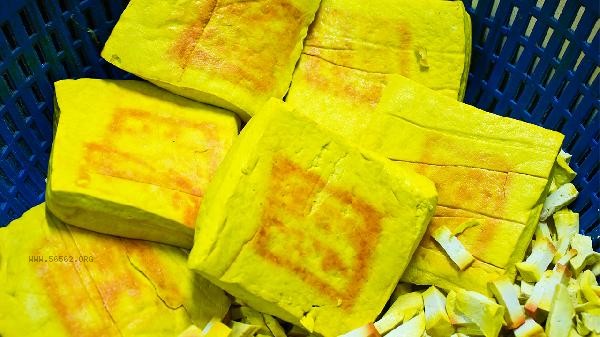
Fourth, the storage environment is humid.
When tofu is refrigerated, if the packaging is poorly sealed, condensation of water vapor on the surface will accelerate microbial growth. Some fungi can produce a smoky like odor during metabolism, which can be easily confused with a burnt taste. After purchase, it should be consumed as soon as possible. When storing, it is recommended to soak it in water and change the water daily.
Fifth, excessive secondary heating
When cooking at high temperatures for a long time, frying or dry burning, the protein on the surface of tofu will undergo Maillard reaction to produce brown substances. North tofu is more prone to this situation due to its low water content. It is recommended to use low-temperature cooking methods such as stewing or blanching with salt water to enhance heat resistance.
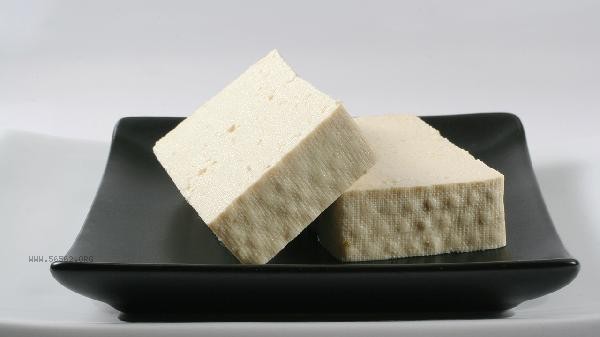
When purchasing tofu in daily life, you can observe whether the cut surface is uniform and delicate, and smell for any sour or pungent odor. Fresh tofu should have a light bean aroma. If you notice a noticeable burnt taste, it is recommended to discard it. Tofu is rich in high-quality protein and calcium. It is recommended to pair it with ingredients such as seaweed and mushrooms to balance nutrition. For those with weak digestive function, it is necessary to control the amount consumed at a time. Tofu stored for more than two days, even if refrigerated, should be thoroughly heated before consumption to avoid the risk of microbial contamination.








Comments (0)
Leave a Comment
No comments yet
Be the first to share your thoughts!