
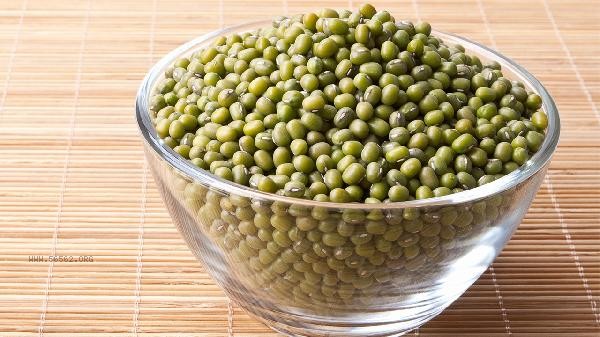
The browning of mung beans is usually a natural phenomenon caused by oxidation or improper storage, and may also be related to factors such as mold, moisture, or high temperature. Green beans undergo oxidation reactions when exposed to air during storage, and the polyphenols in the skin gradually darken in color when combined with oxygen. This browning is a normal phenomenon, and green beans that have not mold can still be consumed. When the humidity in the storage environment is too high, the beans may absorb water and expand, causing damage to the cell structure. The internal components may seep out and accelerate browning when exposed to air. At the same time, a humid environment is prone to mold growth, and moldy mung beans may have brown or black spots on the surface accompanied by an odor. High temperature environment can enhance enzyme activity in mung beans, accelerate internal component decomposition and pigment deposition, and long-term exposure to sunlight may also lead to uneven discoloration and brown appearance of the skin. If mung beans only have a slight browning of the skin and no mold or odor, they can still be consumed after washing, but their nutritional value and taste may slightly decrease. If there is obvious mold, insect infestation, or sour taste, it should not be continued to be consumed. It is recommended to seal and store mung beans in a cool and dry place, avoiding direct sunlight and high temperature and humidity environments. Regularly check for signs of moisture or insect infestation. Purchase in small quantities daily and consume as soon as possible. For long-term storage, consider freezing to delay quality changes.








Comments (0)
Leave a Comment
No comments yet
Be the first to share your thoughts!