
The inability of beans to cook well may be related to factors such as bean variety, storage time, water quality acidity and alkalinity, pre-treatment methods, and cooking techniques.
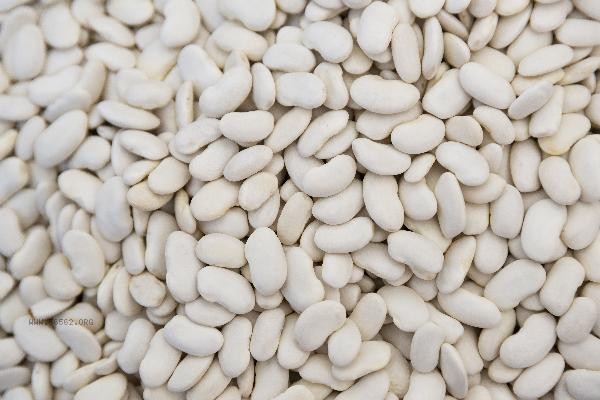
1. Bean Varieties
Different beans have different boiling resistance due to differences in starch and fiber structure. For example, the cell walls of red beans and chickpeas are thicker and take longer to soften; Green beans and eyebrow beans are relatively easy to rot. Varieties of leguminous plants with high amylose content are more difficult to gelatinize and require sufficient water absorption to decompose.
2. Storage time
Aged beans have hardened cell membranes due to water loss, making it difficult to restore elasticity even after soaking. Beans stored for more than a year will have a deeper degree of protein denaturation, forming a network structure that is resistant to depolymerization and significantly prolonging cooking time. Fresh beans can usually be cooked to perfection within 2 hours.
3. Water quality acidity and alkalinity
Calcium and magnesium ions in hard water will bind with phytic acid in legumes, forming a dense layer on the epidermis that hinders water infiltration. Experiments have shown that boiling beans in alkaline water with a pH value of 8.5 or higher prolongs the softening time by 30% compared to neutral water. Adding a small amount of white vinegar or lemon juice can neutralize water quality.
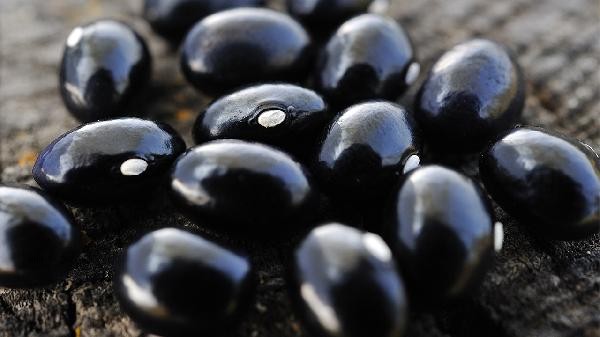
4. Pre treatment method
Boiling dry beans without soaking directly can cause rapid shrinkage of the skin. Soaking in cold water for 12 hours can cause the beans to absorb water and expand to twice their original volume, and the intercellular space to enlarge. Freezing treatment can puncture cell walls through ice crystals, but it may result in the loss of some water-soluble vitamins.
5. Cooking method
Continuous boiling can easily cause the beans to rot on the outside and harden on the inside, while constant temperature stewing at 85-90 ℃ is more conducive to heat penetration. Pressure cookers can quickly decompose pectin by increasing steam pressure to raise water temperature above 115 ℃. Adding baking soda can destroy B vitamins, but it can shorten cooking time by 40%.
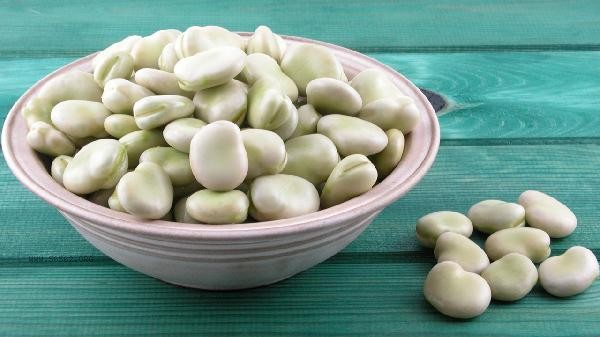
It is recommended to choose new beans of the current season and soak them in filtered water for 8-12 hours. Soaking water containing 1% salt can help soften them. When cooking, boil over high heat first, then reduce the heat and simmer slowly to avoid frequent stirring. The elderly or those with weak digestive function can mash the cooked beans into a paste. Pairing with ingredients rich in vitamin C can promote iron absorption, but it is not advisable to eat with foods containing tannic acid to affect protein digestion. Dry beans should be sealed and moisture-proof when stored, and it is recommended to consume them within six months.








Comments (0)
Leave a Comment
No comments yet
Be the first to share your thoughts!