
The transparent or white appearance of rice grains is mainly related to starch structure, processing technology, and variety characteristics, including differences in endosperm starch arrangement, degree of grinding and processing, rice variety characteristics, storage time, and moisture content.
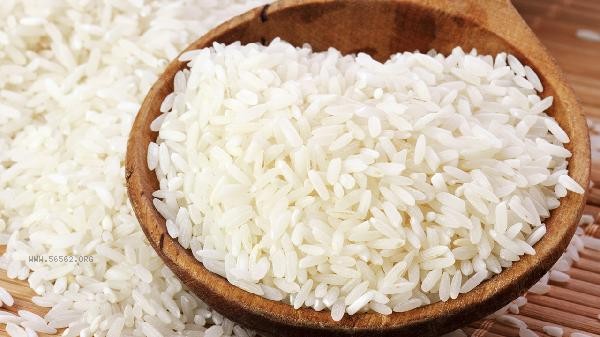
1. Differences in Starch Arrangement in Endosperm
The starch granules in the endosperm of transparent rice grains are tightly arranged, and when light penetrates, they undergo uniform refraction and appear transparent; White rice grains scatter light due to the presence of small air gaps between starch particles. Japonica rice usually has high transparency, while indica rice tends to be whiter, which is related to the difference in the ratio of amylose and amylopectin.
2. Grinding processing degree
Fine grinding rice will remove the outer layer of paste and embryo, making the rice grains more transparent; Brown rice retains a light brown color on the bran, and excessive polishing may cause some grain structures to break and turn white. Friction heat during processing can also alter the crystal structure of starch, affecting its transparency.
3. Characteristics of Rice Varieties
Long grain fragrant rice is often semi transparent, while short round grain glutinous rice is often milky white. Some special types of rice, such as black rice and red rice, have their transparency obscured by the deposition of cortical pigments. Hybrid rice varieties can change endosperm density through genetic regulation, for example, some soft rice varieties intentionally reduce transparency.
4. Storage time
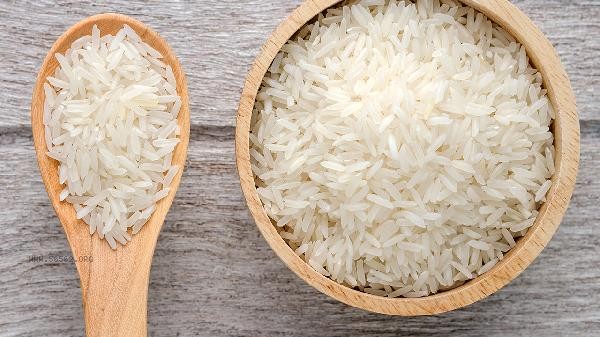
When the moisture content of new rice is higher, the transparency is better, and the microporous structure of aged rice gradually turns white due to starch aging. Low temperature storage can delay this change, while high temperature environments can accelerate surface cracking of rice grains, leading to local chalking phenomenon.
5. High or low moisture content
Rice grains with sufficient drying have stable transparency, and when the moisture content exceeds 15%, it may cause internal crystallization and reorganization to form white spots. After hydrothermal treatment, the steamed rice starch gel, showing a uniform yellowish rather than transparent shape. When choosing rice, there is no need to overly pursue transparency, and attention should be paid to freshness and variety adaptability. Transparent rice grains are usually more suitable for cooking, while white rice grains are suitable for making porridge or Rice noodles. It is recommended to store in a sealed container in a cool place and consume as soon as possible after opening. The nutritional value of different colored rice grains is not significantly different, and they can all be used as a staple food source. Eating them together with miscellaneous grains can ensure a balanced diet. Special varieties such as selenium rich rice and germ rice can be selected according to nutritional needs.








Comments (0)
Leave a Comment
No comments yet
Be the first to share your thoughts!