
Red beans that have been cooked for a long time but still do not soften may be related to factors such as the variety of red beans being harder, not being soaked in advance, the water quality being too hard, insufficient heat, or being stored for too long.
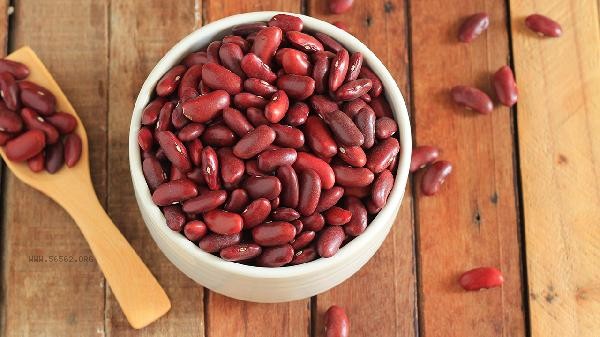
1. Red bean varieties are harder
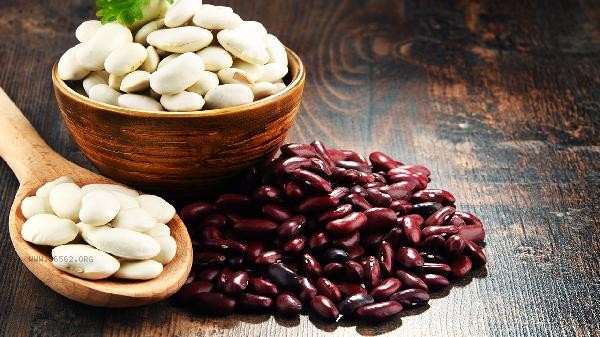
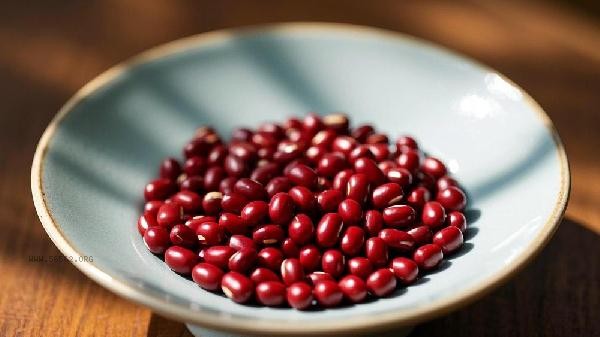
There are differences in the hardness of red beans among different varieties, and some red beans have thicker skin and tighter structure, such as adzuki beans, which are harder to cook and soften than ordinary red beans. This type of red bean contains more cellulose and resistant starch, and requires longer high-temperature decomposition time. It is recommended to choose fresh red beans with thin skin and plump particles. Before cooking, observe the appearance of the beans and avoid choosing aged beans or special hard varieties.
2. Without pre soaking
When red beans are cooked directly without soaking, it is difficult for moisture to penetrate into the bean core. Soaking in cold water can cause the tofu skin fibers to absorb water and expand, usually requiring soaking for more than 6 hours. In summer, it can be refrigerated to prevent fermentation. When in urgent need, it can be soaked in warm water for 2 hours, but the effect is slightly inferior to long-term soaking. After soaking, pour out the astringent water and boil again to reduce the bean odor and improve softening efficiency.
3. Hard water quality
High levels of calcium and magnesium ions in water can combine with pectin in beans, forming substances that are not easily decomposed. Pure water or boiled and cooled soft water can be used for cooking, and a small amount of white vinegar or lemon juice can be added if necessary to soften the water quality. Avoid using alkaline water, otherwise it will enhance the toughness of the soybean skin and prolong the cooking time.
4. Insufficient heat
Continuous boiling water temperature is necessary to damage the cell wall structure of red beans. It is recommended to boil over high heat first, then reduce the heat to medium low and simmer slowly, keeping the water surface slightly churning. Using thick bottomed cookware is more conducive to uniform heat transfer, and a pressure cooker can raise the water temperature to around 120 degrees Celsius, which can shorten cooking time by more than half.
5. Long storage time
Aging red beans can cause starch aging and denser cell walls due to water loss. Red beans stored for more than a year are difficult to fully recover even after soaking. Before cooking, the beans can be placed in a sealed bag and beaten to create micro cracks on the skin to help absorb water. If the beans have obvious insect infestation or mold spots, they should be discarded and no longer consumed. Red beans are rich in high-quality protein, B vitamins, and potassium elements. It is recommended to pair them with glutinous rice or Job's tears to enhance nutritional complementarity. People with weak digestive function can press softened red beans into bean paste to avoid overconsumption at once. Red beans should be sealed and moisture-proof for daily storage, kept dry in a cool place, and used up within six months after opening to ensure cooking effectiveness.








Comments (0)
Leave a Comment
No comments yet
Be the first to share your thoughts!