
The astringency of persimmons is mainly related to the high content of soluble tannins in immature fruits, which gradually transform into insoluble substances during the ripening process. The main sources of astringency are the combination of tannins and salivary proteins, variety differences, improper picking time, insufficient storage conditions, and insufficient ethylene ripening.
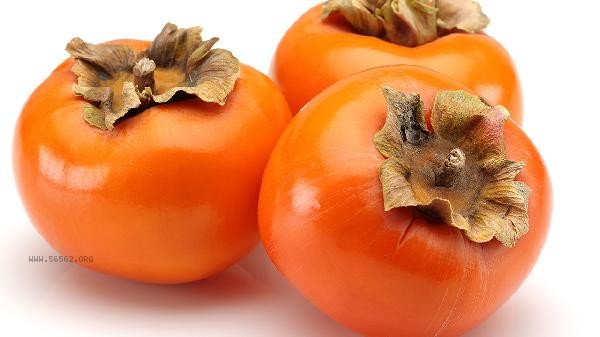
1. Tannins bind to salivary proteins
Immature persimmons contain a large amount of soluble tannins, which can cause astringency when bound to oral salivary proteins. This type of tannin belongs to condensed tannins, which can stimulate the mucosa and cause dryness and stinging sensation. The traditional de astringency method destroys the tannin structure with alcohol or warm water, while modern methods commonly use carbon dioxide or nitrogen to ripen and reduce activity.
2. Variety Differences
Sweet and astringent persimmon varieties have different tannin metabolism genes. When fully sweet persimmons are ripe, tannins can naturally transform, while some sweet and astringent persimmons require artificial de astringency. Common persimmons in China, such as Mopan persimmons and Niu Xin persimmons, belong to incomplete sweet persimmons, and may still have astringency even after maturity.
3. Improper picking time
Persimmon fruit pulp cells harvested too early are not fully developed, and the tannin content can reach more than 2% of fresh weight. It should be harvested after the fruit turns color, at which point pectinase begins to break down the cell wall, which helps with the later conversion of tannins. Persimmons harvested before and after frost have a better natural astringency effect.
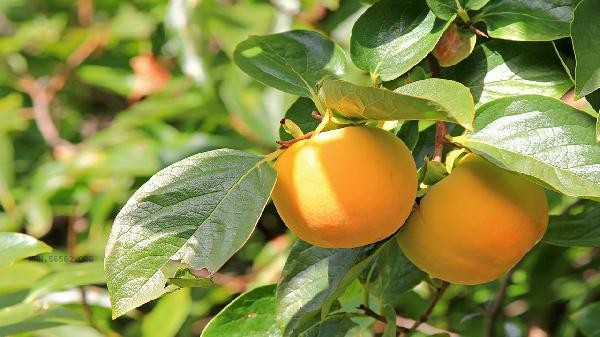
4. Insufficient storage conditions
Temperature below 10 ℃ will inhibit the activity of tannin converting enzyme. Traditional rice cultivation requires maintaining an environment of 15-20 ℃ to remove astringency, while modern cold storage requires ethylene treatment. Insufficient humidity can cause the skin to wrinkle and hinder the transport and accumulation of tannin degrading substances.
5. Insufficient ethylene ripening
Ethylene can activate the acetyl CoA pathway in persimmons, accelerating tannin polymerization. However, excessive concentration can cause the fruit to soften too quickly, and it is recommended to control it within 0.1-1ppm. When mixing with apples for ripening, it is necessary to ensure a sealed environment and a ratio of 200 grams of apples per kilogram of persimmons.
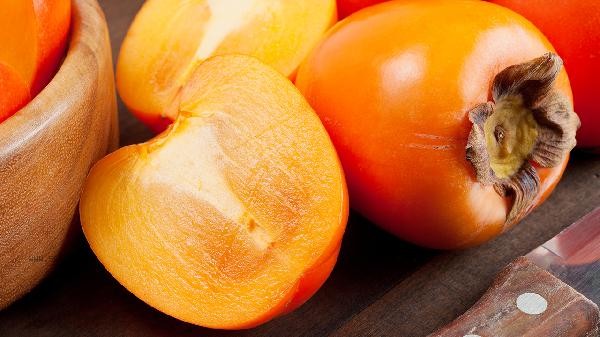
Eating astringent persimmons may irritate the gastrointestinal mucosa. It is recommended to choose completely astringent fruits or eat them after peeling. People with weak gastrointestinal function can try the method of freezing persimmons to remove astringency. After freezing persimmons for 24 hours, thaw them, as ice crystals can damage the structure of tannin cells. When storing daily, wrap it in plastic wrap and place it in a cool and ventilated place to avoid sharing it with seafood and high protein foods. If you experience tongue numbness symptoms after accidentally eating unripe persimmons, you can take vitamin C tablets or drink diluted salt water to relieve it.








Comments (0)
Leave a Comment
No comments yet
Be the first to share your thoughts!