
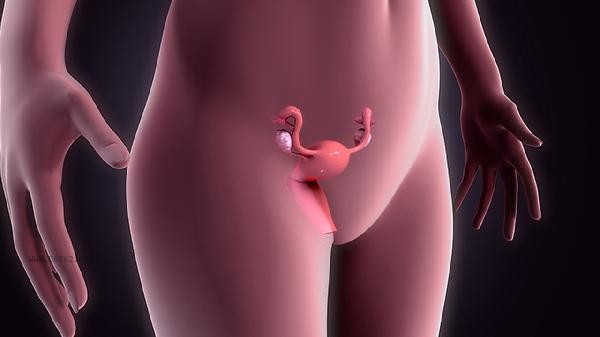
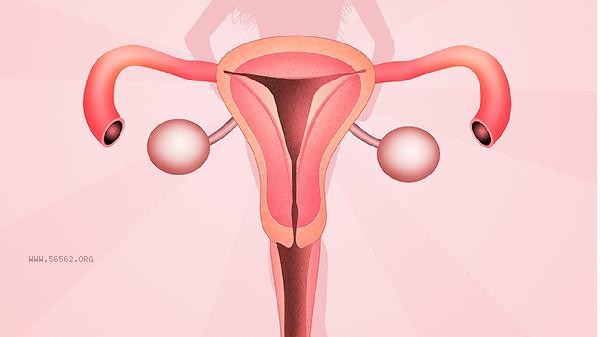
Patients with polycystic ovary syndrome need to lose weight mainly because weight management helps improve insulin resistance, regulate hormone levels, and restore ovulation function. Polycystic ovary syndrome may be related to genetic factors, insulin resistance, hyperandrogenism, chronic inflammation, obesity, and other factors, usually manifested as menstrual disorders, hirsutism, acne, infertility, and other symptoms.
1. Improving insulin resistance
Obesity can exacerbate insulin resistance, leading to elevated blood sugar levels and compensatory hyperinsulinemia. High insulin levels can stimulate the ovaries to secrete more androgens, exacerbating the symptoms of polycystic ovary syndrome. Losing weight can reduce insulin resistance, decrease insulin secretion, and thus lower testosterone levels. It is recommended that patients adopt a low glycemic index diet, such as choosing whole grains, legumes, and green leafy vegetables, and avoid refined carbohydrates and sugary drinks.
2. Regulating hormone levels
Adipose tissue is an important endocrine organ that can secrete various hormones and inflammatory factors. Obesity can lead to excessive secretion of leptin and resistin in adipose tissue, while reducing the secretion of adiponectin, which can interfere with the function of the hypothalamic pituitary ovarian axis. After losing weight, there is a decrease in adipose tissue, which helps to restore normal hormone secretion patterns. Patients can engage in a combination of aerobic exercise and resistance training, with at least 150 minutes of moderate intensity exercise per week.
3. Restoring Ovulation Function
Weight loss of 5-10% can significantly improve ovulation function. Obesity can lead to abnormal follicular development and insufficient luteal function, affecting the normal ovulation process. After losing weight, the responsiveness of the ovaries to gonadotropins increases, and follicular development and ovulation function are improved. For patients with fertility needs, weight loss can increase the probability of natural conception and also improve the success rate of assisted reproductive technologies. It is recommended that patients maintain a regular sleep schedule and avoid staying up late and excessive fatigue.
4. Reduce the risk of metabolic syndrome
Polycystic ovary syndrome patients often have metabolic abnormalities, such as dyslipidemia, hypertension, and impaired glucose tolerance. Weight loss can improve these metabolic indicators and reduce the risk of cardiovascular disease and type 2 diabetes. Patients should regularly monitor their blood pressure, blood glucose, and blood lipid levels to promptly detect and intervene in metabolic abnormalities. It is recommended to adopt a Mediterranean diet pattern in terms of diet, increase intake of unsaturated fatty acids, and limit saturated and trans fatty acids.
5. Improving Quality of Life
Weight loss can improve body shape and posture, enhance self-confidence and self-esteem. The improvement of symptoms can also alleviate anxiety and depression, and enhance overall quality of life. Patients can seek the help of professional nutritionists and psychological counselors to develop personalized weight loss plans and psychological support programs. It is recommended that patients keep a diet and exercise diary, regularly evaluate their weight loss effectiveness, and adjust their plans. Patients with polycystic ovary syndrome should adopt a gradual approach to weight loss, avoiding rapid weight loss and extreme dieting. It is recommended to lose 0.5-1 kilogram per week through a combination of dietary adjustments and exercise to achieve healthy weight loss. In terms of diet, it is important to ensure a balanced nutrition, control total calorie intake appropriately, and increase the intake of dietary fiber and high-quality protein. In terms of exercise, aerobic exercises such as brisk walking, swimming, and cycling can be chosen, combined with strength training to increase muscle mass. At the same time, maintaining good sleep habits and managing stress levels can help improve the symptoms of polycystic ovary syndrome. If the self weight loss effect is not satisfactory, it is recommended to seek medical attention in a timely manner and receive comprehensive treatment under the guidance of a doctor.








Comments (0)
Leave a Comment
No comments yet
Be the first to share your thoughts!