
Nut worms are usually caused by improper storage or the raw materials themselves carrying insect eggs. The main reasons are humid storage environment, damaged packaging, incomplete insecticide control of raw materials, prolonged storage time, and high temperature.
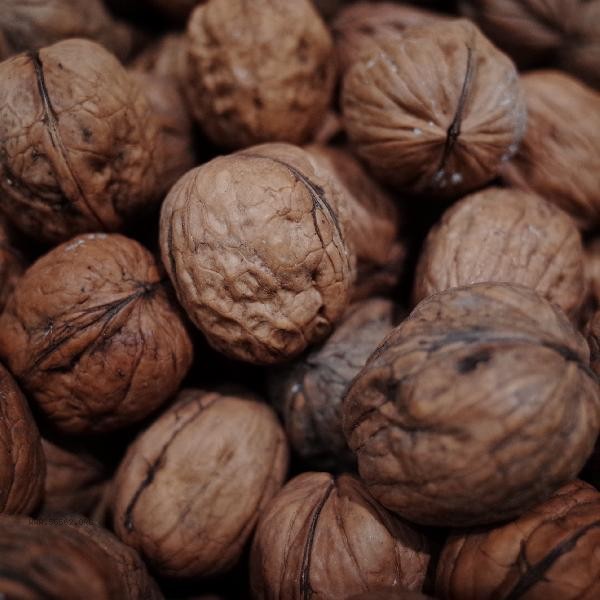
1. Moist storage environment
Nuts contain a certain amount of oil, which is prone to moisture absorption and mold growth in humid environments, attracting pests to lay eggs. It is recommended to store nuts in a cool and dry place, and use a sealed container to isolate them from the air. If signs of insect infestation are found, the nuts can be spread out and dried or baked at low temperatures to kill the insects.
2. Packaging damage
Sealed packaging damage can lead to the invasion of external insects, especially storage pests such as rice weevils and grain beetles. When purchasing, check the integrity of the packaging and consume as soon as possible after opening. Bulk nuts are recommended to be packaged into small portions for frozen storage, as low temperatures can effectively kill potential insect eggs.
3. Raw materials are not thoroughly insecticidal.
Some nuts may have residual insect eggs during harvesting and processing, commonly found as larvae of fruit tree pests such as walnut armyworms and almond bees. Choosing branded products that have undergone irradiation or high-temperature treatment can reduce the probability of insect infestation. Homemade nuts can be steamed or microwave heated to inactivate the eggs.
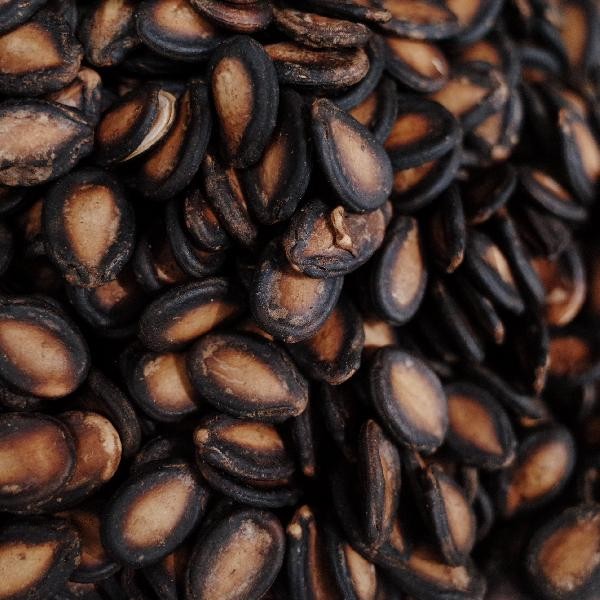
4. If stored for too long [SEP], the oxidation of nut fat will release an odor that attracts pests, and the risk of storage for more than six months will significantly increase. Shell nuts have a longer shelf life, and it is recommended to consume them within 3 months after removing the shell. It can be judged whether it has deteriorated by observing whether there are cavities, insect feces, etc.
5. High temperature
An environment above 25 ℃ will accelerate the hatching of insect eggs, and special attention should be paid to refrigerated storage in summer. However, it is necessary to avoid repeated freeze-thaw cycles that can cause a deterioration in taste. Before freezing storage, it is necessary to ensure that the nuts are completely dry to prevent frosting and mold growth. Short term storage can be placed in the refrigerator's fresh-keeping layer.
Before daily consumption of nuts, it is necessary to carefully check for signs of insect infestation. Even slightly insect infested nuts can still be consumed after high-temperature treatment, but moldy nuts must be discarded. Suggest purchasing in small quantities multiple times, and prioritize choosing fresh products of the current season. When storing, natural insect repellents such as Sichuan pepper and cinnamon can be placed together with nuts, and regular inspections and replacements should be carried out. If large-scale insect infestation is found, the storage container should be thoroughly cleaned and fumigation treatment should be carried out if necessary. Reasonable storage can preserve the nutrition of nuts and effectively prevent pest infestations.









Comments (0)
Leave a Comment
No comments yet
Be the first to share your thoughts!