
The astringency of frozen persimmons is mainly related to the precipitation of tannins and the inhibition of enzyme activity at low temperatures. Immature persimmons, when frozen, do not break down tannic acid, resulting in a bitter and numbing taste; During the thawing process, cells rupture and release more tannins, while the low temperature environment inactivates the de astringent enzyme. The astringency of frozen persimmons is due to the soluble tannins they contain. During the ripening process of fresh persimmons, the tannins in the fruit gradually transform into an insoluble state, but this transformation process is interrupted after the partially ripe persimmons are frozen. Tannins bind to salivary proteins to produce astringent stimuli, resulting in a noticeable astringency. Using naturally astringent persimmon varieties such as Fu Fu persimmon, the astringency is relatively mild after freezing; If persimmons that are artificially de astringent are not thoroughly processed, they may still regain astringency after freezing. In special circumstances, freezing at too low a temperature or for too long can exacerbate astringency. Freezing below minus 18 degrees Celsius can cause cell wall rupture and significant leakage of tannins; Repeated freeze-thaw cycles completely inactivate the de astringent enzyme. Persimmons that use carbon dioxide or alcohol for de astringency may regain their activity after thawing if the de astringency time before freezing is insufficient. These persimmons need to be thoroughly de astringent before freezing, or thawed and ripened with ethylene releasing fruits such as apples and bananas.
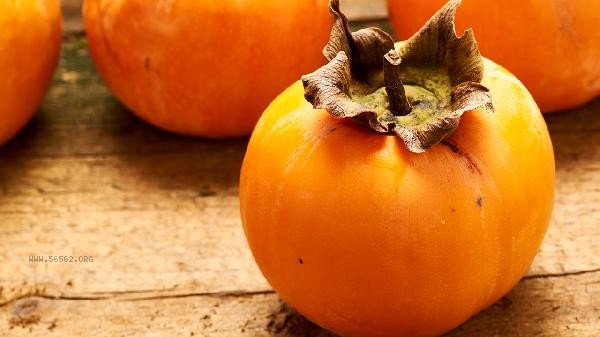
It is recommended to choose mature fruits that have completely removed their astringency when consuming frozen persimmons. Thawing them and placing them in a slightly cool state can reduce the astringency. People with weak gastrointestinal function should control their consumption and avoid the formation of hard lumps by the combination of tannins and stomach acid. Eating frozen persimmons with citrus fruits rich in vitamin C can help break down some tannins. If there is a significant contraction of the oral mucosa after consumption, drinking warm honey water can alleviate discomfort.








Comments (0)
Leave a Comment
No comments yet
Be the first to share your thoughts!