
The reason why dumplings break when cooked is mainly related to factors such as insufficient toughness of the dough, excessive moisture in the filling, and improper cooking methods. The main reasons include imbalanced proportion of dough formula, high moisture content of filling, loose packaging technique, improper control of water temperature and heat, and operational errors during the cooking process.
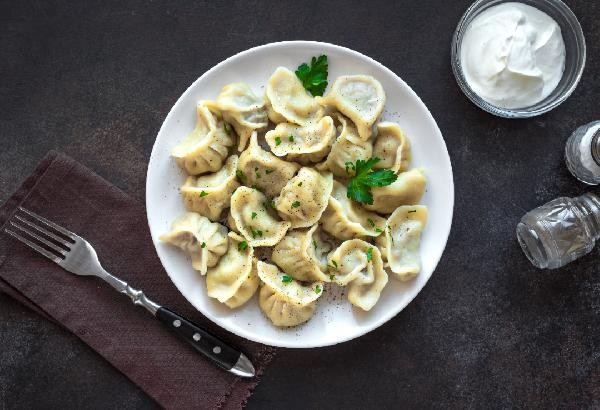
1. Imbalance of dough ratio
Improper ratio of flour to water can lead to insufficient formation of gluten network. When using high gluten flour, if the water content is too low, the dough has poor extensibility and is prone to cracking; If there is too much water, the skin will be too soft and lack support. When making noodles, a small amount of salt or egg white can be added to enhance gluten properties. Let it stand for half an hour to allow the gluten to fully relax. In traditional formulas, it is advisable to mix 220-240 milliliters of water for every 500 grams of flour, but it needs to be adjusted according to the water absorption of the flour.
2. The moisture content of the filling is too high.
Insufficient dehydration of vegetable ingredients or insufficient watering of the meat filling can cause moisture to seep out during cooking and soften the dough. Cabbage, chives, etc. need to be chopped and salted to kill water, squeezed dry, and then mixed with oil to lock water. Meat filling should be stirred in the same direction until it becomes sticky and gelatinous. After mixing with vegetables, refrigerate for half an hour to allow the oil to solidify. It is recommended to blanch mushrooms before chopping them to avoid excessive water discharge in the later stage.
3. Improper packaging techniques
Leaving gaps at the kneading area or excessively thick edges of the dough can lead to skin breakage. When rolling the dough, keep the middle slightly thick and the edges thin, and control the filling amount within the load-bearing range of the dough. When using the squeezing dumpling technique, it is necessary to ensure complete sealing, while for the flower edge dumplings, even folds should be squeezed out. After packaging, check if there are any light transmission points and place the seam facing upwards for shaping.
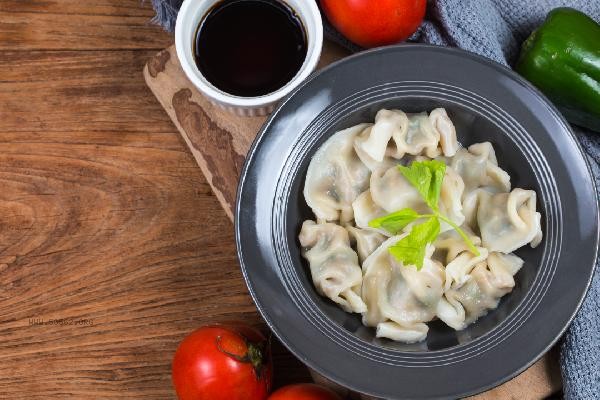
4. Improper control of water temperature and heat
If boiling water is not adjusted to medium heat in a timely manner after being put into the pot, severe boiling will scatter the dumplings. After the water boils, add a small amount of salt or cooking oil, and when it boils again, add dumplings along the edge of the pot. During the cooking process, the water surface should be kept slightly boiling, and the amount of water should be sufficient to submerge the dumplings. Frozen dumplings need to be thawed slowly with warm water to avoid direct boiling and temperature cracking.
5. Operation errors during the cooking process
Frequent stirring or too early cold water can easily cause damage. After pouring the pot, gently push the anti sticking bottom with a strainer. After it floats, add half a bowl of cold water and repeat twice. Use a deep pot to avoid stacking dumplings, and control the cooking time to 6-8 minutes. When fishing, use a spoon to support the bottom to avoid puncturing the skin.
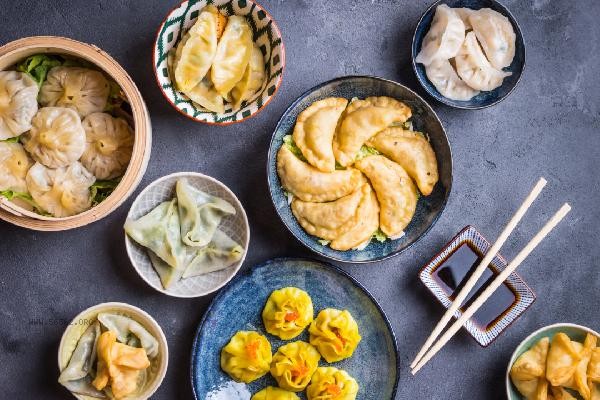
It is recommended to choose dumpling specific flour with high protein content, and keep the water temperature at around 30 ℃ when kneading to help form gluten. Pay attention to the balance between dry and wet filling, and the recommended ratio of meat to vegetables is 1:1. Before cooking, spray water on the surface of the dumplings to prevent drying and cracking, and use an induction cooker to control the heat more easily. In traditional methods, adding scallions or ginger slices to boil water can reduce adhesion, and it should be spread out and cooled in a timely manner after being cooked. If you pursue a better taste, you can try blanching dumplings or using starch to increase transparency, but be careful to adjust the steaming time.








Comments (0)
Leave a Comment
No comments yet
Be the first to share your thoughts!