
The long-term preservation of apples is mainly related to their skin structure, antioxidant content, respiratory characteristics, and storage conditions. The apple skin contains a natural wax layer, which can reduce water loss and microbial invasion; The abundant polyphenolic substances in the flesh can delay oxidation; The respiration rate is lower after harvesting, and a low-temperature and dry environment can further inhibit spoilage.
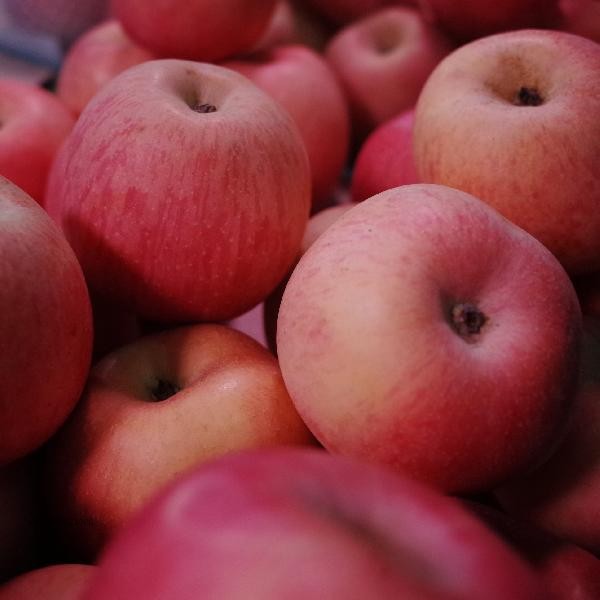
1. Epidermal Wax Layer
The apple skin is covered with natural fruit wax, a hydrophobic substance composed of keratin and wax, which can effectively prevent external water evaporation and bacterial and fungal adhesion. Artificial waxing may be performed during commercial transportation, but even unprocessed apples have similar protective functions due to their own secreted wax. The integrity of the wax layer directly affects the preservation time, and apples with damaged skin are more prone to decay.
2. Polyphenolic antioxidant
Apples are rich in plant polyphenols such as quercetin and chlorogenic acid, which can neutralize free radicals and slow down the process of fruit flesh oxidation and browning. Especially the polyphenol content in the peel can reach 2-3 times that of the flesh, and the preservation period of apples with intact peel is significantly prolonged. Among different varieties, late maturing varieties such as Red Fuji have higher polyphenol content and better storage tolerance than early maturing varieties.
3. Respiratory metabolic characteristics
Apples belong to typical respiratory climacteric fruits, but their respiratory intensity after harvesting is only about 1/5 of that of bananas. Under low temperature conditions, the production of ethylene is significantly reduced, metabolic activity is slow, and the rate of sugar conversion decreases. Controlled atmosphere storage can put apples into a dormant state and extend their shelf life to 6-8 months by controlling the oxygen concentration to below 3%.
4. Acidic Antibacterial Environment
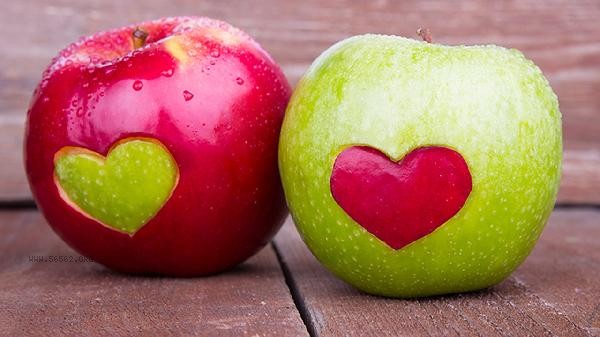
The pH value of apple flesh is maintained within the acidic range of 3.0-4.0, which can inhibit the growth of most spoilage bacteria. Organic acids such as malic acid and citric acid not only regulate pH, but also work together with pectin to maintain cellular structural stability. When apples begin to rot, it is often accompanied by a decrease in acidity and an increase in pH value above 5.0.
5. Modern storage technology
Professional cold storage adopts a constant temperature of 0-4 ℃ and a humidity of 90% -95%, which can maximize the preservation of apple cell activity. Ethylene inhibitors such as 1-methylcyclopropene can block mature signal transmission, and modified atmosphere packaging can create a low oxygen and high carbon dioxide microenvironment. When storing at home, wrapping with plastic wrap and refrigerating can also simulate some professional storage effects.
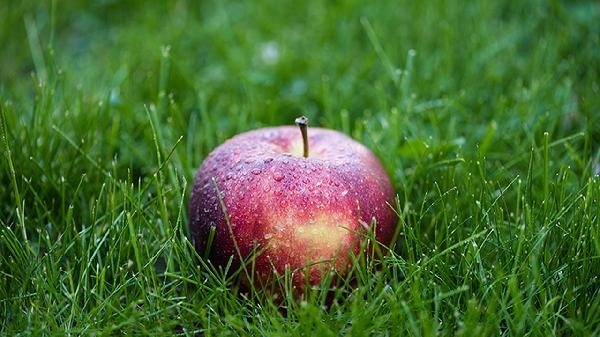
To extend the shelf life of apples, it is recommended to choose fruits with intact skin and stem, and do not need to be washed with water before storage to avoid damaging the wax layer. Apples can be stored separately in the refrigerator's fruit and vegetable box to avoid mixing with fruits such as bananas that release a large amount of ethylene. Regularly inspect and remove rotten fruits to prevent cross contamination. For sliced apples, a small drop of lemon juice or soaking in salt water can slow down oxidation discoloration, but it is recommended to consume within 2 hours. Reasonably utilizing the natural preservation properties of apples, combined with modern storage methods, can maximize the retention of nutrients and taste.








Comments (0)
Leave a Comment
No comments yet
Be the first to share your thoughts!