
constipation during weight loss may be related to factors such as changes in dietary structure, insufficient water intake, decreased exercise, insufficient dietary fiber, and dysbiosis of the gut microbiota. It usually manifests as symptoms such as reduced frequency of bowel movements, difficulty in defecation, and dry and hard stools.
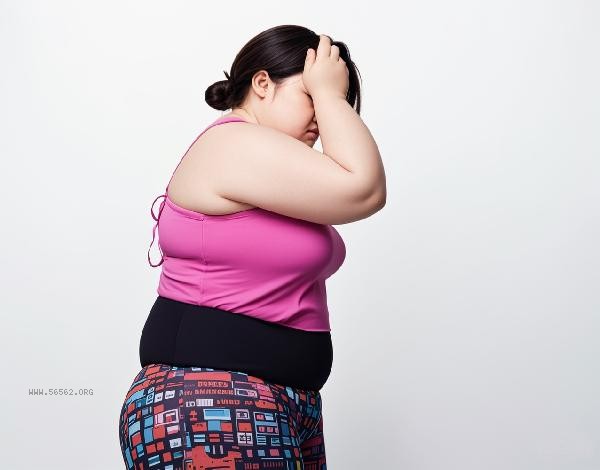
1. Changes in dietary structure
During weight loss, in order to reduce calorie intake, the intake of high-fat foods is usually reduced, and fat can stimulate bile secretion and promote intestinal peristalsis. When fat intake is insufficient, intestinal peristalsis slows down, leading to constipation. During weight loss, it is advisable to increase the intake of healthy fats such as olive oil and nuts.
2. Insufficient water intake
Weight loss individuals reduce their water intake due to concerns about edema or weight gain, resulting in a decrease in fecal water content and becoming dry and hard to excrete. It is recommended to maintain a daily water intake of 2000-2500 milliliters. Drinking a glass of warm water on an empty stomach in the morning can stimulate intestinal peristalsis.
3. Reduced Exercise
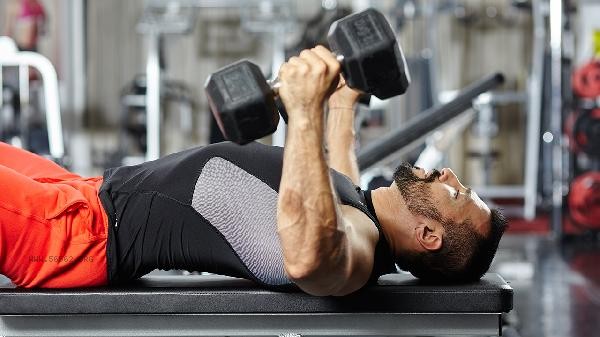
During weight loss, dieting may lead to insufficient energy, and some people may reduce their exercise. Exercise can stimulate intestinal peristalsis through abdominal muscle contraction, and lack of exercise can easily lead to constipation. Maintaining aerobic exercise such as brisk walking and swimming for more than 30 minutes every day can help improve.
4. Insufficient dietary fiber
Strictly controlling carbohydrate diet for weight loss may lead to insufficient intake of dietary fiber. Dietary fiber can increase the volume of feces and absorb water to expand, softening feces. It can increase the intake of high fiber foods such as oats, konjac, broccoli, etc.
5. Imbalance of gut microbiota
Sudden changes in dietary habits can affect the balance of gut microbiota, and a decrease in the number of certain beneficial bacteria may lead to a slowdown in intestinal peristalsis. Fermented foods such as yogurt and kimchi containing probiotics can be consumed appropriately. If necessary, probiotic preparations such as Bifidobacterium quadrivalent live bacteria tablets and Clostridium butyricum enterococcus triple live bacteria powder can be taken according to medical advice. During weight loss, to prevent constipation, it is important to maintain sufficient daily intake of water and dietary fiber, maintain regular exercise habits, and avoid excessive dieting. If constipation persists for more than 2 weeks or is accompanied by symptoms such as abdominal pain and bloody stools, seek medical attention promptly to rule out organic diseases. Medications such as lactulose oral solution and crenilabrin can be used as adjunctive therapy according to medical advice, but long-term dependence on laxatives is not recommended.









Comments (0)
Leave a Comment
No comments yet
Be the first to share your thoughts!