
The failure to beat cream is usually related to factors such as temperature control, whipping techniques, and raw material selection. There are mainly reasons such as high whipping temperature, insufficient oil content, improper whipping speed, insufficient container cleanliness, and poor cream freshness.
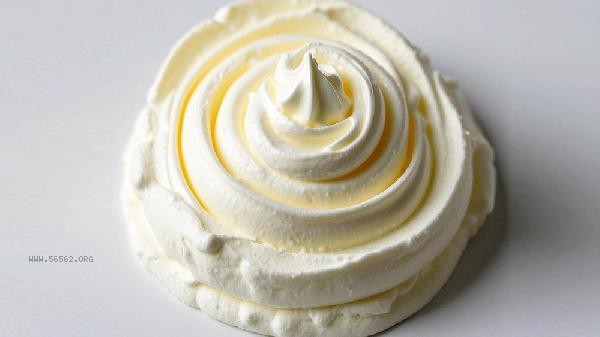
1. Excessive whipping temperature
Cream whipping requires a low temperature environment, with the optimal temperature between 4-10 degrees Celsius. When the room temperature is high in summer, cream tends to soften due to temperature rise, resulting in failure to form stable foam. The mixing bowl can be refrigerated in advance or cooled with ice water during the stirring process. Animal based cream is more sensitive to temperature and requires special attention to environmental temperature control.
2. Insufficient fat content
The butterfat content in butter directly affects the whipping effect, usually requiring a fat content of over 30% to form a stable structure. When using low-fat cream or plant-based cream substitutes, it may be difficult to beat due to insufficient fat ratio. When making a purchase, it is important to confirm the fat content indicated on the product label. Animal based cream is easier to form than blended cream.
3. Improper whipping speed
The electric mixer needs to gradually increase speed from medium to low speed. If the initial speed is too fast, it will cause the cream to splash instead of emulsify. When the cream becomes textured, it turns to high speed, but excessive whipping can cause the cream to clump and turn into tofu residue. Manual whipping requires maintaining a continuous and even force, which takes about 10-15 minutes to reach the desired state.
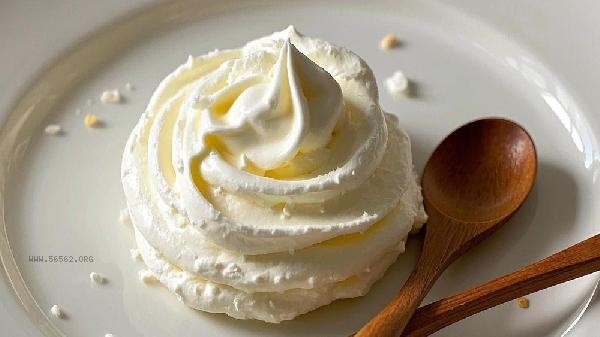
4. Insufficient cleanliness of the container
Mixing containers or tools with residual oil can disrupt the cream emulsification process. Stainless steel pots are easier to keep clean than plastic pots, and should be thoroughly degreased with lemon juice or white vinegar before use. Details such as mixing egg yolks with egg whites and not drying the container thoroughly can affect the whipping effect. Before operation, ensure that all tools are completely dry and free of contamination.
5. Poor freshness of cream
Cream approaching its shelf life may undergo protein denaturation due to microbial action, resulting in loss of its whipping properties. Pay attention to the production date when purchasing, and refrigerate for no more than 3 days after opening. A few drops of fresh lemon juice can be added to help stabilize the foam, but the layered or smelly cream cannot be remedied, so fresh raw materials need to be replaced.
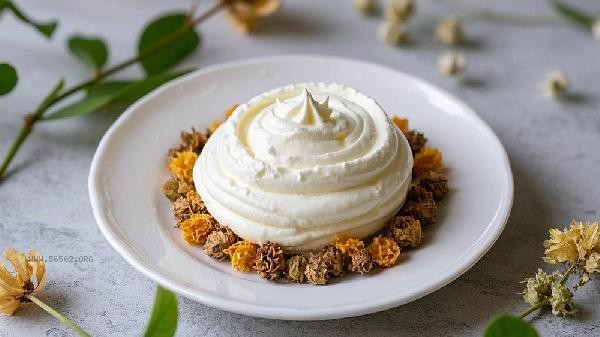
If there are multiple failures to beat the cream during cake making, it is recommended to use a deep mouthed stainless steel container and maintain low temperature throughout the process. You can first beat the cream in small portions to test its condition, and then proceed with batch processing after success. For lactose intolerant individuals, plant-based alternatives such as coconut milk or cashew cream can be chosen, but adjustments need to be made to pass the time and achieve the desired results. To preserve whipped cream, it is necessary to cover it with plastic wrap and refrigerate it. Using it within 2 hours can maintain the best taste, but prolonged storage may cause it to collapse. After mastering these techniques, combined with fresh ingredients and appropriate tools, a stable and delicate cream can be produced.








Comments (0)
Leave a Comment
No comments yet
Be the first to share your thoughts!