
The inability of fatty meat to produce oil is usually related to the destruction of adipose tissue structure or improper cooking methods. There are mainly reasons such as unbroken adipocyte membranes, improper temperature control, insufficient cooking time, improper food preparation, and differences in fat types.
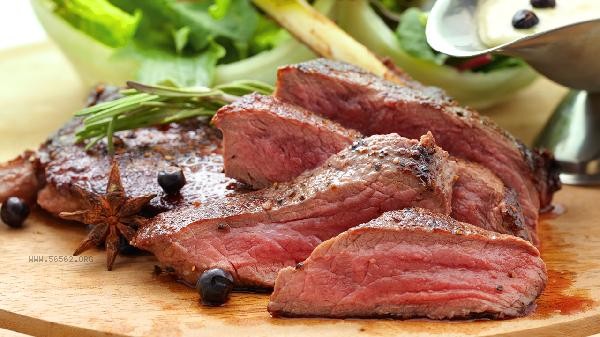
1. Unruptured adipocyte membrane
The oil in animal fat is stored inside adipocytes and needs to be released by breaking the cell membrane at high temperatures. If the temperature does not reach the melting point during boiling, the cell membrane remains intact and the oil cannot seep out. The melting point of lard is 28-48 degrees Celsius. It is recommended to slowly heat it up over low heat to above 60 degrees Celsius.
2. Improper temperature control
Rapid high temperature can cause rapid coking of the fat surface, forming a hard shell that hinders internal oil leakage. The ideal oil boiling temperature should be maintained within the range of 100-120 degrees Celsius and can be monitored using a thermometer. Induction cookers are easier to accurately control temperature than open flames, avoiding local overheating.
3. Insufficient cooking time
Complete disintegration of adipocytes requires continuous heating, and pork fat usually takes more than 40 minutes. Large chunks of fatty meat need to be cut into cubic centimeters to increase the heating surface area. The traditional method involves adding a small amount of water to extend the boiling time and allow the oil to be fully analyzed.
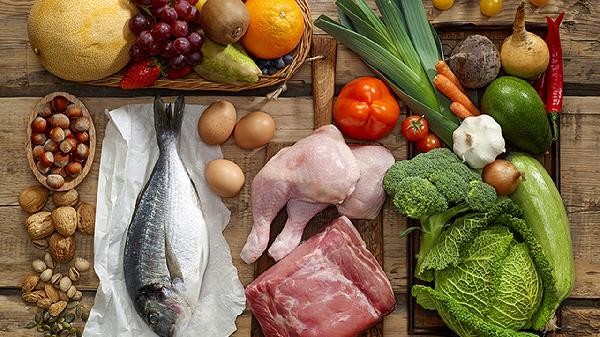
4. Improper preparation of ingredients
Frozen fatty meat should be completely thawed to room temperature, otherwise internal ice crystals will hinder heat conduction. Fat meat with skin should have its outer layer removed, as the stratum corneum can hinder oil leakage. Suggest cutting the fatty meat into small pieces and marinating it with cooking wine to damage some of the connective tissue.
5. Differences in Fat Types
The saturated fatty acid content of different parts of fat varies, and the oil yield of plate oil is higher than that of fat. Poultry fat has a lower melting point and is easier to boil, while butter requires a higher temperature. The collagen content in the fat of old animals is high, which can easily form a gelatinous substance to wrap around the oil.
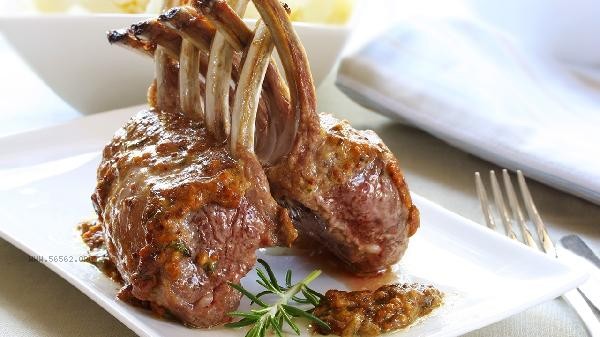
When cooking animal oil, it is recommended to choose fresh pork fat, cut it evenly into small pieces, and then put it in cold water. In the initial stage, add ginger slices to remove the fishy smell. After the appearance of oil residue, turn to the minimum heat and use a strainer to press to help remove the oil. The cooked oil needs to be filtered and sealed for refrigeration, avoiding direct sunlight. Daily consumption should be controlled in terms of intake. Patients with hypertension should not exceed 20 grams per week and can have a balanced diet with vegetables and fruits. If the oil does not come out after repeated boiling, there may be water injected meat or spoiled meat, and it should be stopped from consumption.








Comments (0)
Leave a Comment
No comments yet
Be the first to share your thoughts!