
The difference in tomato hardness is mainly related to variety characteristics, maturity, and storage conditions. There are natural differences in the texture of tomato flesh among different varieties, and some varieties themselves have a harder flesh structure.
1. Variety Differences
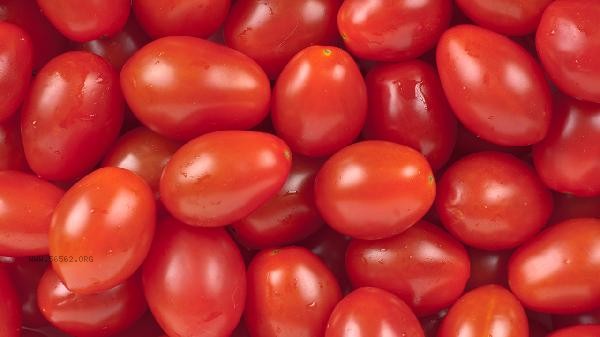
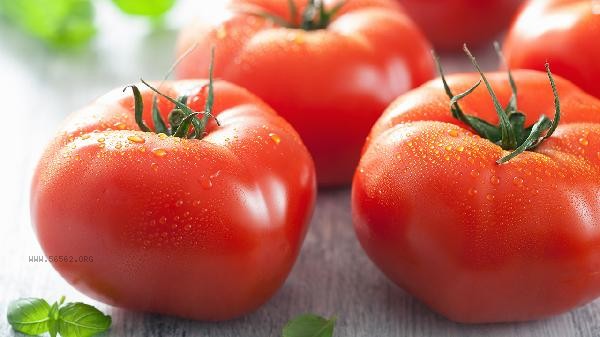
Some tomato varieties, such as cherry tomatoes and hard fruit tomatoes, have been selected through breeding to have thicker skin and denser flesh tissue. These varieties maintain high hardness even after complete maturity, making them suitable for long-distance transportation and long-term storage. After the maturity of traditional soft varieties, the degree of gel degradation is high, and the texture naturally tends to be soft.
2. Harvesting Maturity
Immature tomatoes harvested in advance contain more original pectin, with intact cell wall structure and a noticeably harder texture. These types of tomatoes are usually artificially ripened, and although their appearance turns red, the flesh has not undergone the natural softening process, resulting in texture differences from naturally ripe fruits on trees.
3. Planting Method
Tomatoes grown in greenhouses have controllable temperature and humidity, stable water supply during the growth period, uniform development of flesh cells, and a denser texture than those grown in open fields. Overuse of calcium fertilizer can also enhance cell wall strength, leading to an increase in fruit hardness.

4. Post harvest processing
Cold chain storage and transportation of tomatoes can inhibit ethylene synthase activity and delay the fruit ripening and softening process. Some merchants may use food grade coatings to treat fruit peels, reducing water evaporation while maintaining fruit hardness. This type of treatment does not affect food safety.
5. Freshness
Newly picked tomatoes have high cell plumpness and tight intercellular connections. After prolonged storage, pectinase continues to break down the intercellular matrix, and the fruit gradually becomes soft. Low temperature environments can slow down this process, so tomatoes stored in refrigeration can maintain their hardness for a longer period of time. When choosing tomatoes, the hardness preference can be determined based on their use. Hard tomatoes are suitable for slicing and plating or cooking methods that require shape preservation, while soft ripe tomatoes are more suitable for making sauces. Regardless of whether it is soft or hard, fruits without mechanical damage or disease spots should be selected. Avoid squeezing during storage, and placing them at room temperature can promote post ripening softening. If hard tomatoes cannot be softened for a long time, there may be issues with variety characteristics or premature harvesting. It is recommended to prioritize purchasing naturally ripe seasonal fruits.








Comments (0)
Leave a Comment
No comments yet
Be the first to share your thoughts!