
The hardness of red beans soaked overnight is mainly related to factors such as bean variety, water hardness, and soaking temperature. Old varieties of red beans or beans stored for too long have a denser texture, and minerals in hard water can hinder water infiltration. Low temperature environments can also slow down water absorption. Red bean skin contains a large amount of cellulose and resistant starch, which absorb water slowly at room temperature. Traditional varieties of red beans require longer softening time due to their lower degree of artificial breeding and tighter seed coat structure. If soaked in tap water, the calcium and magnesium ions in the water will combine with the pectin in the bean skin to form insoluble substances, further hindering water from entering the interior of the beans. When the room temperature is too low in winter, the activity of water molecules decreases, and the process of beans absorbing water and expanding will be significantly prolonged. In some special cases, red beans may permanently harden due to improper storage. After being stored in a high temperature and high humidity environment for more than a year, legumes undergo irreversible protein denaturation, thickening of the seed coat cuticle layer, and are difficult to soften even with prolonged soaking time. Accidentally purchasing aged red beans or beans that have undergone irradiation sterilization treatment, their cell structure has been damaged, and conventional soaking cannot restore their water absorption capacity. These types of beans will still maintain a distinct and stiff texture after cooking.
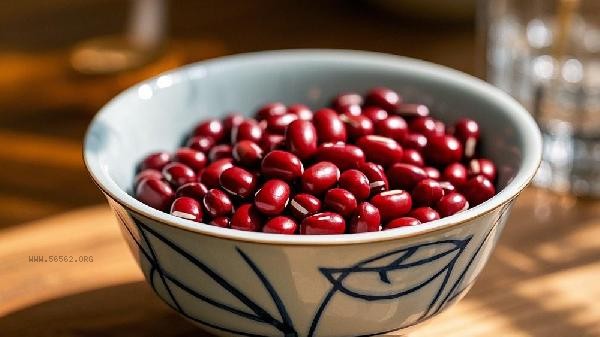
To deal with stubborn hard beans, try blanching them quickly with 80 degree hot water for 1 minute to damage the skin structure, and then soak them in warm water for 6 hours. Choose the new beans harvested that year and soak them in purified water or boiled and cooled water for better results. Soaking red beans in a small amount of edible alkali can soften cellulose, but it may damage some B vitamins. It is recommended to pay attention to whether the beans are full and shiny when purchasing, keep them dry and away from light when storing, and consume them as soon as possible after opening.








Comments (0)
Leave a Comment
No comments yet
Be the first to share your thoughts!