
Pork ribs are more expensive than pork mainly due to the scarcity of ingredients, cooking value, and market demand. Pork ribs, as a special part, have the characteristics of moderate bone to meat ratio, rich taste, and high nutrient utilization rate, while ordinary pork parts have more abundant supply and lower processing costs.
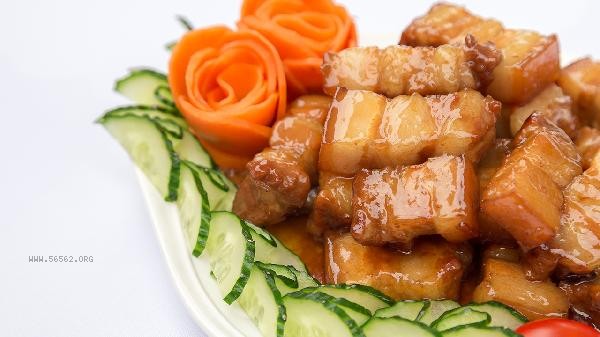
1. Scarcity of Parts
Pork ribs only account for a limited yield of specific parts of the whole pig, and the weight of pork ribs that can be divided from one pig is usually less than 15% of the overall weight. Compared to other parts such as hind leg meat and pork tenderloin, which can be obtained in larger quantities, the supply and demand relationship directly drives up the price of pork ribs. The need for manual fine segmentation after slaughter also increases labor costs.
II. Cooking Advantages
The bone and flesh connective tissue of pork ribs releases collagen during stewing, which can form a rich broth and soft texture, suitable for various cooking methods such as braising and soup making. Ordinary pure lean meat is prone to becoming dry after prolonged cooking, while pork ribs with bones penetrate through the bone marrow to make the meat more delicious. This irreplaceable edible value is reflected in the price.
III. Nutrient Utilization
Pork ribs not only provide high-quality protein, but also partially precipitate minerals such as calcium and phosphorus in the bones during the stewing process, making them more easily absorbed by the human body. The chondroitin sulfate contained in periosteum and cartilage is beneficial for joint health, and these additional nutritional values give pork ribs a differentiated advantage in meat.
Fourth, Processing Cost
Pork ribs need to retain their intact bone shape for cutting, which requires higher requirements for slaughter technology. During transportation, it is also necessary to avoid bone fracture that affects the appearance. Ordinary pork can be directly divided into large pieces according to its location, and cold chain storage takes up less space, resulting in significant differences in overall circulation costs.
Fifth, Consumer Preferences
In domestic food culture, pork ribs are often used as a hard dish or nourishing ingredient for banquets, and demand surges during festivals. The widespread dissemination of classic dishes such as sweet and sour pork ribs and lotus root pork rib soup has further strengthened their market recognition as high-value ingredients, with relatively higher price tolerance. From the perspective of dietary balance, although pork ribs have a unique flavor, they have a high fat content. It is recommended to consume them no more than three times a week, and when cooking, it is advisable to choose clear stewing to reduce oil intake. Pairing with foods rich in dietary fiber such as radish and kelp can promote saturated fat metabolism. In daily diet, pork ribs can be alternated with low-fat and high protein ingredients such as chicken breast and fish to meet taste requirements and control total calories. When making a purchase, pay attention to whether the bone section is bright red and whether the meat is firm and elastic, and avoid purchasing products that have been frozen for too long.








Comments (0)
Leave a Comment
No comments yet
Be the first to share your thoughts!