
The blackening of stewed pork ribs with lotus root is mainly related to the oxidation of polyphenols in lotus root, which is a normal phenomenon. The key influencing factors include lotus root variety, cooking utensils, water quality acidity and alkalinity, use of iron pot, storage time, etc.

1. Lotus Root Varieties
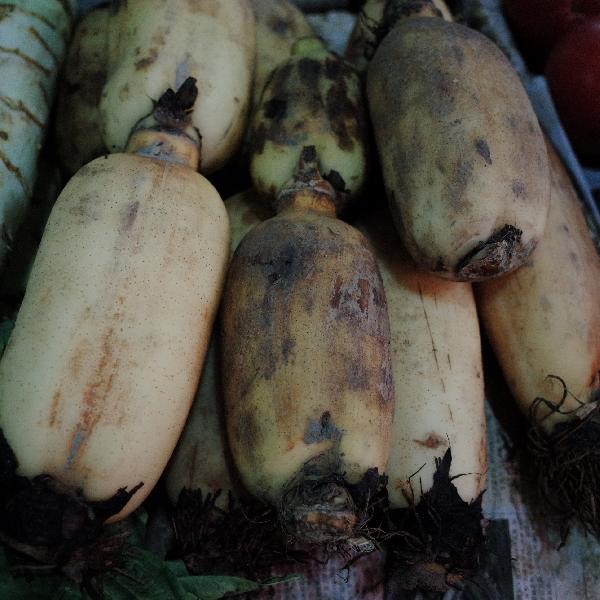
Some lotus root varieties contain high levels of polyphenol oxidase, which can cause enzymatic browning when exposed to air after cutting. Red lotus root is more prone to discoloration than white lotus root due to its higher content of anthocyanins in the epidermis, which combine with iron ions to form dark substances upon thermal decomposition. Choosing a smooth skinned white lotus root can reduce the degree of discoloration.
2. Cooking utensils
When cooking with an iron pot or spatula, the tannic acid in lotus roots reacts with iron ions to produce black tannic acid iron. Suggest using clay pots, ceramic pots, or stainless steel pots to avoid metal ions from participating in the reaction. Aluminum utensils may also cause slight discoloration, but to a lesser extent.
3. Water acidity and alkalinity
Hard or alkaline water can accelerate the oxidation of polyphenolic substances, deepening the color of the soup. Soak lotus roots in light salt water or a small amount of white vinegar for 10 minutes before stewing. An acidic environment can delay browning. If using tap water, it is recommended to boil and skim off the surface foam before adding the ingredients.
4. Iron pot: The divalent iron ions released by the
iron pot combine with phenolic compounds in lotus root to form a blue black complex. Before using the new iron pot, it needs to be fully opened and maintained to form an oil film isolation layer. If black soup has appeared, you can add a little lemon juice or white radish and cook together to reduce the color.
5. Storage time
After stewing, prolonged exposure to air can cause oxidation reactions to continue, leading to a gradual darkening of the soup color. It is recommended to cook and eat immediately, and the remaining part should be sealed and refrigerated for storage. Avoid prolonged boiling during reheating, and keep the soup clear and bright by heating it separately from water.
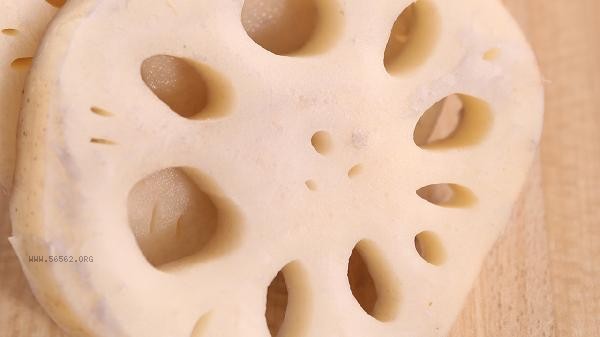
The blackening of lotus root stewed pork ribs does not affect food safety, but may affect appetite. When cooking in daily life, you can choose lotus roots with high starch content instead of crispy lotus roots. When blanching, add a few drops of edible oil to form a protective film. Pairing with light colored ingredients such as carrots and corn can balance the visual effect. During the stewing process, keep the heat low and slow to avoid intense boiling that may cause cell rupture and discoloration. If you want a clear soup color, you can blanch the lotus root separately and remove it. Wait for 10 minutes before stewing the pork ribs before adding it.








Comments (0)
Leave a Comment
No comments yet
Be the first to share your thoughts!