
Apples are not easily rotten mainly due to their skin structure, natural protective layer, acidic environment, low water activity, and slow respiration.
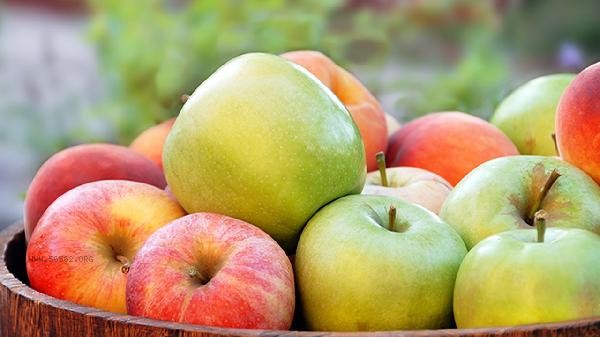
1. Peel Structure
The apple skin is covered with a dense wax layer, which is a natural protective layer that can effectively block the invasion of external microorganisms. The tight structure of the stratum corneum and epidermal cells forms a physical barrier, reducing water loss while blocking bacterial and fungal attachment. The difference in skin thickness between different varieties of apples can affect their anti-corrosion ability, and thick skinned varieties are usually more resistant to storage.
2. Natural protective layer
The wax secreted by apples themselves has hydrophobicity and can regulate the gas exchange between the fruit and the outside world. This biofilm contains antibacterial ingredients such as ursolic acid, which can inhibit the growth of common spoilage bacteria such as Penicillium. Manual waxing after harvesting can further enhance this protective effect.
3. Acidic environment
The acidic environment with a pH value between 3-4 is not conducive to the reproduction of most spoilage bacteria in apples. The organic acids such as malic acid and citric acid contained in fruits can reduce microbial enzyme activity, and tannins also have astringent and antibacterial effects. But the decrease in fruit acid content after overcooking will accelerate spoilage.
4. Low water activity
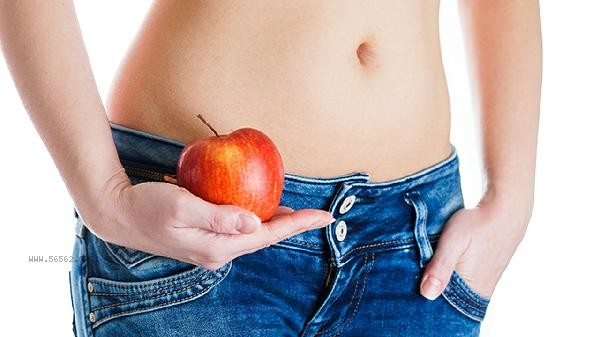
Solutes such as sugars and pectin in apple cells can reduce water activity, making it difficult for microorganisms to obtain the water they need for growth. The tightly packed cell structure of the fruit pulp also limits juice leakage, which makes apples more resistant to storage than berries. But mechanical damage will destroy this protective mechanism.
5. Slow respiration
Apples belong to the respiratory climacteric fruit, with a lower respiratory rate and slower energy consumption after maturity. When stored at low temperatures, it can maintain physiological activity for a longer period of time, and the reduced production of ethylene slows down the post ripening process. Modified atmosphere storage can further inhibit respiration by controlling oxygen concentration. To prolong the freshness of apples, it is recommended to store undamaged fruits in a cool and ventilated place, and avoid mixing them with fruits such as bananas that release large amounts of ethylene. When refrigerating, wrap it with plastic wrap to prevent dehydration, and regularly check and remove individuals that have started to spoil. Rinse with running water to remove surface residue before consumption, cut open and consume as soon as possible or soak in salt water to slow down oxidation. Apples stored properly can last for several weeks without rotting, but they should be discarded immediately when mold spots or fermentation odors appear.









Comments (0)
Leave a Comment
No comments yet
Be the first to share your thoughts!