
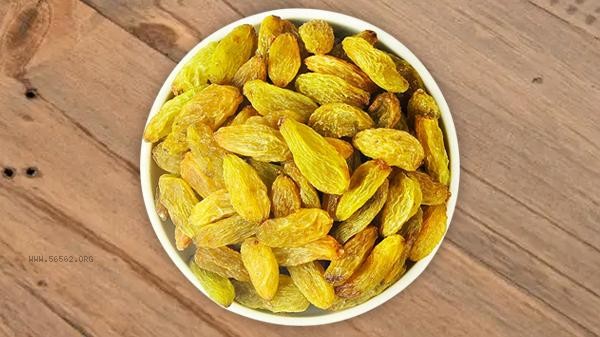
Raisins are suitable for most people to consume in moderation, especially for those with iron deficiency anemia, constipation, those who need to quickly replenish energy after exercise, pregnant women, and children in their growth and development period. Raisins are rich in iron, dietary fiber, natural sugars, and various minerals, which can help improve corresponding health problems.
1. Patients with iron deficiency anemia
Raisins have a high iron content, about 1 milligram of iron per 100 grams, and contain a small amount of vitamin C to promote iron absorption. Moderate consumption can assist in improving symptoms such as pale complexion and fatigue in patients with iron deficiency anemia. It is recommended to pair it with citrus fruits rich in vitamin C to avoid consuming it with coffee or strong tea, which may affect iron absorption.
2. Constipation population
Raisins have a dietary fiber content of 3-4 grams per 100 grams, which can stimulate intestinal peristalsis. The sorbitol component it contains has a mild osmotic effect and can soften stool. It is advisable for constipated individuals to consume 10-15 pills per day, which should be accompanied by sufficient drinking water to enhance the effect.
III. Energy supplementation after exercise
Raisins contain simple sugars such as glucose and fructose, which can be quickly absorbed and utilized by the human body. Eating 20-30 grams of raisins within 30 minutes after exercise can help restore muscle glycogen reserves and relieve fatigue. Endurance athletes such as mountaineers and long-distance runners can use it as a portable energy source.
Fourth, Pregnant Women
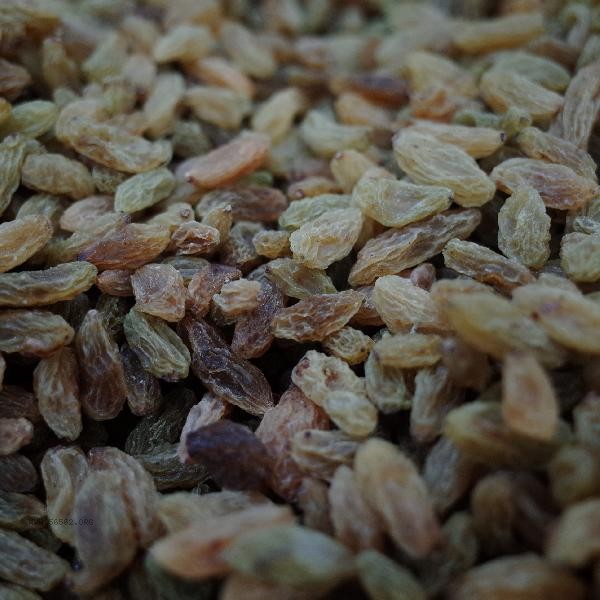
Raisins provide key nutrients during pregnancy such as folate, potassium, and calcium. Its natural sweetness can alleviate the discomfort of pregnant vomiting, but pregnant diabetes patients need to control their intake. It is recommended to choose natural air dried varieties without added sugar, with a daily limit of no more than 20 grams.
V. Children during Growth and Development
The boron element in raisins promotes calcium absorption and helps with bone development. School aged children can consume 5-10 pills between meals to replenish energy and avoid the risk of dental caries. Preschool children should consume it in small pieces to prevent choking, and children with allergies should try a small amount for the first time.
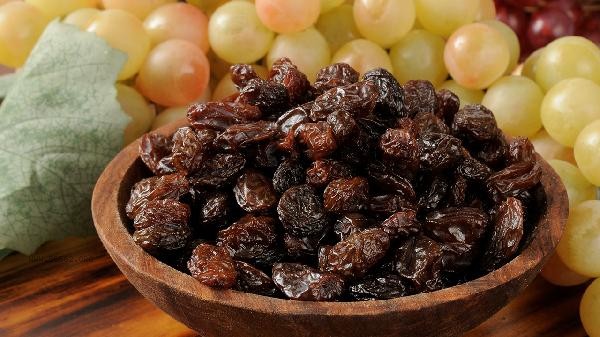
Raisins are rich in nutrition, but their sugar content is high. diabetes patients and obese people should strictly control their intake. When purchasing, choose varieties with natural colors and sulfur free fumigation treatment. After opening, seal and refrigerate to prevent mold growth. Raisins can be added to oatmeal Congee, salad or whole wheat bread every day to increase flavor and balance nutrition. It is recommended to consult a nutritionist or physician before consuming for special populations, and adjust the amount and method of consumption according to individual circumstances.








Comments (0)
Leave a Comment
No comments yet
Be the first to share your thoughts!