
The nutritional value and taste of raisins are closely related to their variety. Varieties such as blackcurrant raisins, ruby raisins, emerald raisins, seedless white raisins, and mare's milk raisins have their own advantages in taste and nutrition.
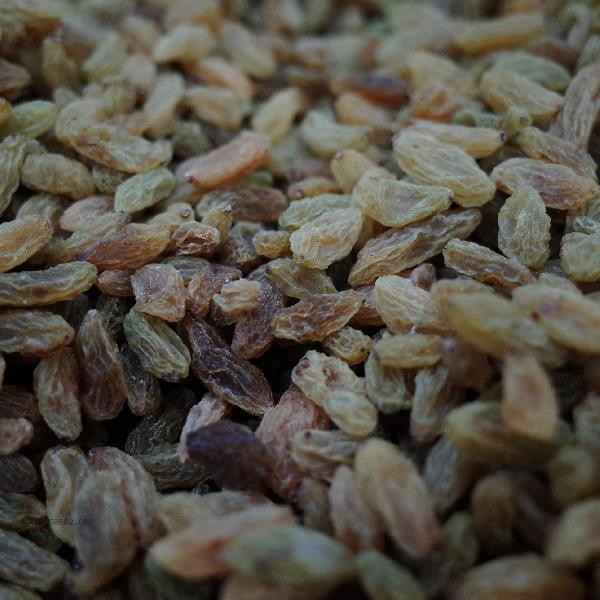
1. Black currant raisins
Black currant raisins are dark purple and nearly black in color, rich in anthocyanins and iron elements, and have antioxidant and blood nourishing effects. The taste is sour and sweet, and the pulp is thick and chewy. It is suitable for eating directly or adding oatmeal Congee. Its sugar content is high, and diabetes patients need to control their intake.
2. Red Concubine Raisins
Red Concubine Raisins are amber red in color, with a special rose aroma and high levels of resveratrol. The fruit is plump and soft, with a moderate sweetness and a slight acidity, suitable for making pastries or brewing tea. This variety is beneficial for cardiovascular health, but attention should be paid to the possible residual sulfides on the surface.
3. Emerald Raisins
Emerald raisins retain their emerald green color and have a prominent dietary fiber content, which helps with gastrointestinal motility. The taste is refreshing and slightly crispy, with low sweetness, suitable for pairing with nuts as a snack. Due to the use of low-temperature drying technology, there is less loss of vitamin C, but it needs to be stored against moisture to avoid discoloration.
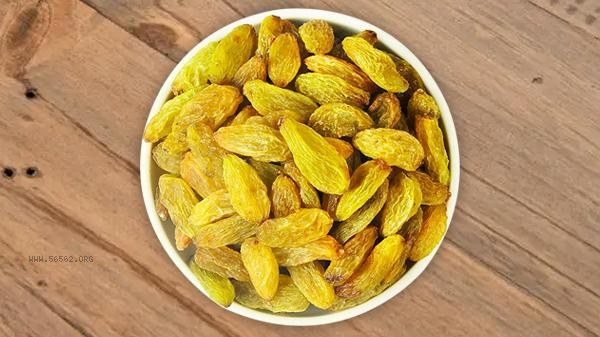
4. Seedless white raisins
Seedless white grapes have delicate and seedless dried fruit, rich in potassium, suitable for supplementing electrolytes after exercise. High sweetness and soft texture, commonly used for baking and cooking Congee. This variety is prone to sticking, and it is recommended to store it refrigerated after opening. Kidney disease patients should pay attention to controlling their consumption.
5. Horse Milk Raisins
Horse Milk Raisins are oval shaped and contain a lot of calcium and B vitamins. The taste is dense with a milky aroma, and the sweetness is mellow and not greasy, suitable for pregnant women and children to consume. Due to the large size of the particles, they need to be chewed thoroughly, and people with indigestion should eat small amounts multiple times.
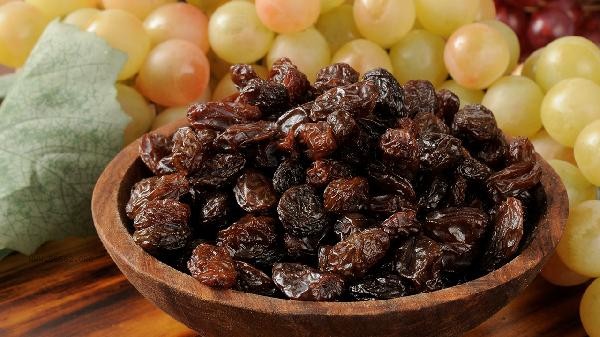
When choosing raisins, it is recommended to consider their physical needs and consumption scenarios comprehensively. Different varieties can be paired for more comprehensive nutrition. High quality raisins should have intact granules, no clumps, and a natural color. After opening, they should be sealed to prevent moisture. The recommended daily intake is 20-30 grams, which can be combined with dairy products to promote calcium absorption, or consumed with fruits rich in vitamin C to increase iron utilization. Special people, such as diabetes patients, can choose low sugar varieties. People with weak gastrointestinal function are recommended to take them after soaking. When storing, avoid direct sunlight and discard immediately if mold is found.








Comments (0)
Leave a Comment
No comments yet
Be the first to share your thoughts!